
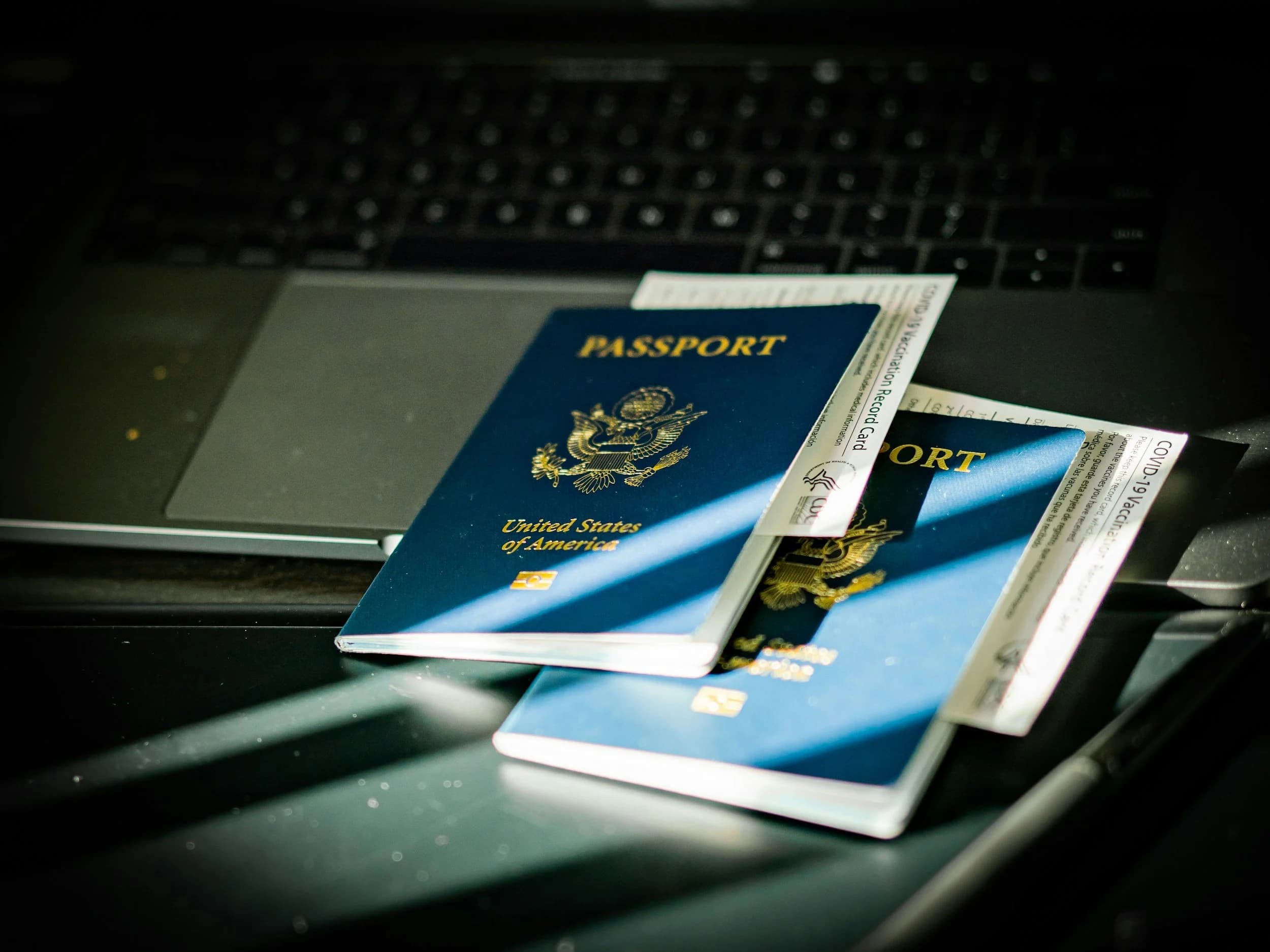
FBI Background Check for Your Immigration Case
Before you apply for citizenship, a green card or DACA, it helps to know which arrests are on your record. We help you request your FBI summary and understand it.
Immigration News
LatestU.S. Department of StateNov 1, 2026
November 2026 Visa Bulletin: read the official monthly update
The Department of State has published its November 2026 Visa Bulletin, with family and employment preference charts. Open the official bulletin for the dates and USCIS filing-chart link. A date on a chart alone does not decide whether you may file.
USCISAdjustment of Status (Green Card): Rules and Filing Charts Keep ChangingJul 1, 2026USCISHumanitarian Protections Remain Available: U-Visa, T-Visa, and VAWAJul 1, 2026USCISCuban Parole Pathways: Confirm the Current Status Before You Rely on ThemJul 1, 2026EOIRImmigration Court Practices Vary by Location: Local Representation MattersJul 1, 2026
Official U.S. sources (USCIS, EOIR, Federal Register). Not legal advice. Consult an attorney about your specific situation.
The FBI keeps a fingerprint based record of arrests. You can request a copy of your own record, which the FBI calls an Identity History Summary. The request is made with your fingerprints, online or by mail, following the FBI's official instructions.
In immigration cases, USCIS takes your fingerprints at the biometrics appointment and checks FBI records. Requesting your own summary before you file lets you see what USCIS will see: old arrests, cases that were dismissed or reduced, and arrests that appear without a final outcome.
If an arrest appears without an outcome, you usually need the certified disposition from the court that handled the case. Georgia also keeps a state record at the Georgia Crime Information Center (GCIC), part of the GBI.
If your record has an error, the law lets you ask for a correction, either from the FBI or from the agency that submitted the information (28 C.F.R. § 16.34).
Steps You Should Take
1
Request your FBI summary
Follow the FBI's official instructions to submit your fingerprints and request.
2
List every arrest and court
Write down each arrest you remember, the city or county and the court, even if the case was closed.
3
Get certified dispositions
We request, or show you how to request, the official outcome of each case from the court clerk.
4
We review the immigration effect
Before you file with USCIS, we review each case and how it may affect your application. Call us at (770) 609-9396.
Frequently Asked Questions
Why request my FBI record if USCIS checks it anyway?
Because it is better to know first. Many people do not remember an old arrest or believe a closed case will not show up. If we know before filing, we can gather the court dispositions and address each matter from the start.
How do I request my FBI summary?
With your fingerprints, online or by mail, following the FBI's instructions. FBI approved companies (called channelers) also handle requests. We point you to the official option and review the result with you.
Does the FBI record show everything?
Not always. It may show an arrest without saying how it ended, and it may leave out some local cases. That is why immigration cases usually also need certified court dispositions.
What is a certified disposition?
An official court record showing how the case ended: for example, whether it was dismissed, whether there was a plea or conviction, and the sentence. You request it from the clerk of the court that handled the case.
Does requesting my record put me at risk?
Requesting your own record does not open an immigration case. But if you have a record, talk to a lawyer before filing anything with USCIS, because some offenses have serious immigration consequences.
Applicable Laws
28 C.F.R. §§ 16.30 to 16.34How a person requests their own FBI identification record and asks for a correction.
FBI: Identity History Summary ChecksThe FBI's official instructions for requesting your summary.
Related Services
Other Immigration Law Services

Green cards and status

Immigration court and deportation defense

Humanitarian protection and detention

Young immigrants

Citizenship

Family immigration

Work and business visas
Waivers and permission to return

Travel, consulates and extensions
More services
Case Evaluation
Talk to a fbi background check attorney today.
Schedule Consultation(770) 609-93961250 Tech Dr, Suite 240
Norcross, GA 30093
📋
Document Checklist
See the documents you need for your fbi background check case. Complete list organized by category.
View full list →Don't Wait. Every Day Counts.
The law has deadlines. Protect your rights today.
JLA explains it on video
Hear from our team. These educational videos do not replace an attorney’s review of your situation or changes in the rules.