
VAWA Self-Petition: Protecting Immigrant Victims of Domestic Violence
The Violence Against Women Act (VAWA) provides critical immigration protections for individuals who have been abused by U.S. citizen or lawful permanent resident (LPR) spouses, parents, or children. At J. Lee & Associates Law Group in Norcross, Georgia, we understand the courage it takes to come forward, and we are committed to helping abuse survivors navigate the VAWA self-petition process with compassion and confidentiality.
What Is a VAWA Self-Petition?
Under the Immigration and Nationality Act (INA) Section 204(a)(1)(A)(iii)-(iv) and Section 204(a)(1)(B)(ii)-(iii), certain victims of domestic violence can file a self-petition for lawful permanent resident status without the knowledge or consent of their abuser. This is a critical distinction from the standard family-based immigration process, where the U.S. citizen or LPR family member must file the petition on behalf of the immigrant. VAWA removes the abuser's control over the victim's immigration status.
Who Is Eligible for a VAWA Self-Petition?
The following individuals may be eligible to file a VAWA self-petition on Form I-360:
- Spouses: Current or former spouses of abusive U.S. citizens or LPRs. The marriage must have been entered into in good faith. If the marriage has ended, the self-petition must generally be filed within two years of the divorce or the abuser's loss of status.
- Children: Unmarried children under 21 who have been abused by a U.S. citizen or LPR parent. Children who turn 21 during the process may retain eligibility under certain age-out protections.
- Parents: Parents of abusive U.S. citizen sons or daughters (the abuser child must be 21 or older).
Requirements for a VAWA Self-Petition
To be approved, the petitioner must demonstrate the following elements, as outlined in 8 CFR 204.2(c):
1. Qualifying Relationship
You must prove your relationship to the abuser. For spousal claims, this means providing marriage certificates, joint financial documents, photographs, affidavits from people who know your relationship, and other evidence of a bona fide marriage. For parent or child claims, birth certificates or adoption decrees are required.
2. Battery or Extreme Cruelty
You must show that you were subjected to battery (physical violence) or extreme cruelty (which includes emotional, psychological, sexual, or economic abuse) during the qualifying relationship. USCIS interprets "extreme cruelty" broadly. Evidence can include police reports, protection orders, medical records, photographs of injuries, affidavits from witnesses, counselors, or shelter workers, and a detailed personal declaration.
3. Good Faith Marriage
For spousal petitions, you must demonstrate that you entered the marriage in good faith, not solely to obtain immigration benefits. Evidence includes joint leases, joint bank accounts, birth certificates of children born to the marriage, joint tax returns, and correspondence showing a genuine relationship.
4. Good Moral Character
You must demonstrate good moral character for the three years immediately preceding the filing. USCIS will conduct background checks. Certain criminal convictions can be a bar, but USCIS has discretion to find good moral character despite some offenses if they are connected to the abuse. For example, if the abuser forced you to engage in criminal activity, this can be considered.
5. Residence in the United States
You must be residing in the United States at the time of filing. There is an exception for petitioners who are abroad if the abuser is a U.S. government employee or military member.
The VAWA Filing Process
The VAWA self-petition is filed on Form I-360, which is submitted to the USCIS Vermont Service Center. There is no filing fee for VAWA self-petitions. The process generally follows these steps:
- Gather evidence: Compile documentation of the relationship, abuse, good faith marriage (if applicable), good moral character, and residence.
- File Form I-360: Submit the petition with all supporting evidence to USCIS.
- Prima facie determination: USCIS will review the petition and, if it establishes a prima facie case, issue a notice. This notice makes the petitioner eligible for certain public benefits.
- Full adjudication: USCIS will conduct a thorough review. Processing times vary, but typically range from 12 to 24 months as of 2026.
- Approval and adjustment: Once approved, immediate relatives of U.S. citizens can file Form I-485 to adjust status to permanent resident. Spouses and children of LPRs may need to wait for visa availability.
Benefits of VAWA Approval
An approved VAWA self-petition provides significant benefits:
- Work authorization: Approved petitioners are eligible for an Employment Authorization Document (EAD) by filing Form I-765.
- Deferred action: USCIS generally grants deferred action status to approved VAWA self-petitioners, protecting them from removal.
- Path to permanent residence: Approved petitioners can apply for a green card through adjustment of status (I-485) or consular processing.
- Access to public benefits: Qualified immigrants with approved VAWA petitions may be eligible for certain federal and state public benefits.
- Derivative benefits for children: Children of VAWA self-petitioners may be included as derivatives on the petition.
Confidentiality Protections
VAWA cases are subject to strict confidentiality provisions under INA Section 384 (8 U.S.C. 1367). USCIS is prohibited from disclosing information about the petitioner to the abuser. The abuser will not be notified of the petition, contacted for evidence, or allowed access to the case file. This protection is fundamental to the safety of VAWA petitioners.
VAWA in the Current Immigration Climate (2025-2026)
Despite increased immigration enforcement under recent policy changes, including the Laken Riley Act, VAWA protections remain in effect. VAWA is a bipartisan provision that has been reauthorized multiple times since its original enactment in 1994, most recently in 2022. However, the heightened enforcement environment makes it even more critical for abuse survivors to seek legal representation to ensure their cases are properly prepared and filed.
Notably, encounters with law enforcement (including immigration enforcement) may provide additional evidence for a VAWA case if the abuser used threats of deportation as a tool of control. Our attorneys are experienced in presenting these complex factual scenarios to USCIS.
How J. Lee & Associates Can Help
VAWA cases require sensitivity, thoroughness, and deep knowledge of immigration law. At J. Lee & Associates Law Group, 1250 Tech Dr, Suite 240, Norcross, GA 30093, our immigration attorneys have extensive experience with VAWA self-petitions. We provide confidential consultations, help survivors gather and organize evidence, prepare compelling personal declarations, and guide clients through every step of the process.
If you or someone you know is experiencing domestic violence and is concerned about immigration status, please reach out to our office. You are not alone, and there are legal protections available to you.
National Domestic Violence Hotline: 1-800-799-7233 (available 24/7, multilingual services available)
This article is for informational purposes only and does not constitute legal advice. Each case is unique; consult with a qualified immigration attorney for advice specific to your situation. Information current as of May 2026.
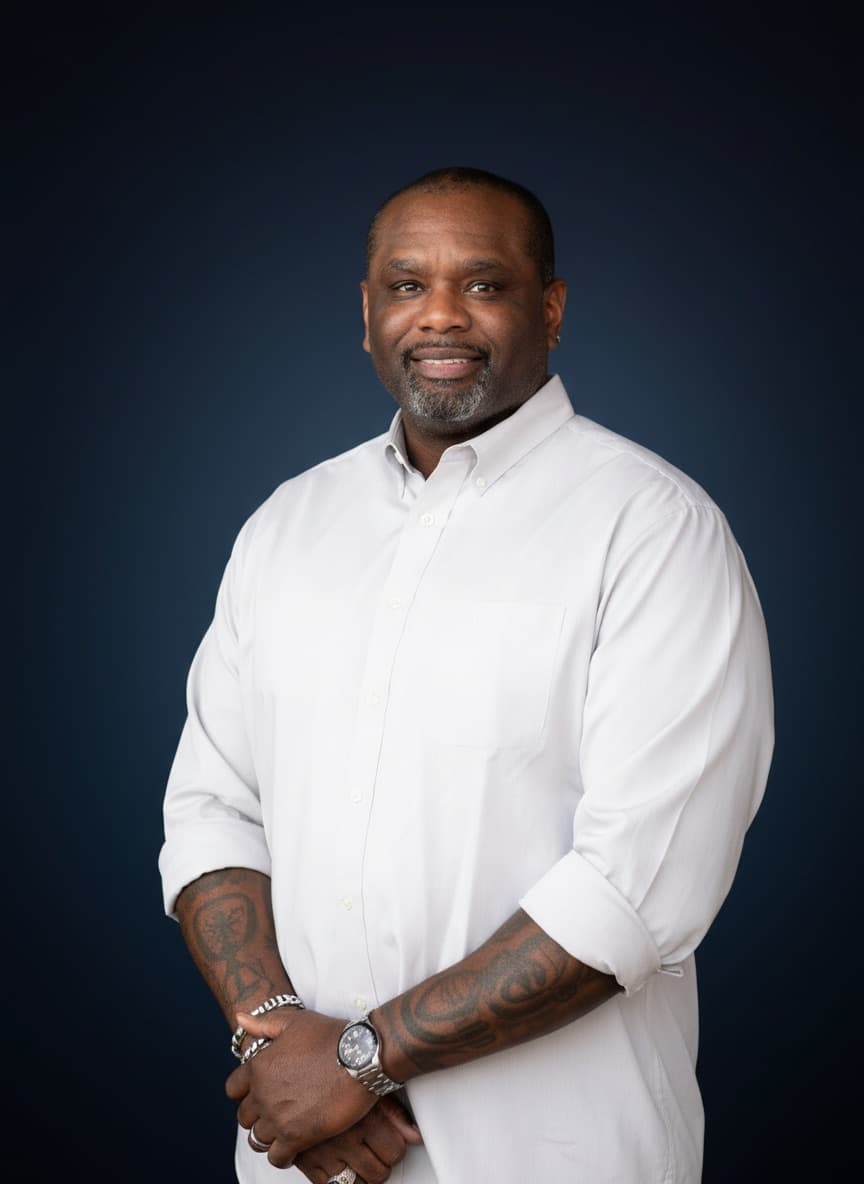
Jerome D. Lee is the founding attorney of J. Lee & Associates Law Group, representing clients in personal injury, immigration, criminal defense, and family law throughout Metro Atlanta.
View full bio →Related Articles
Immigration Questions? We Speak Your Language
From green cards to deportation defense, our bilingual team is here to help. Schedule a consultation today.
Get Free Legal Updates
Weekly articles on your rights in Georgia. No spam.
By subscribing you agree to receive legal information. Unsubscribe at any time.