

What Is the Diversity Visa Lottery Program?
The Diversity Immigrant Visa (DV) program, commonly known as the green card lottery, makes up to 50,000 immigrant visas available each fiscal year to persons from countries with historically low rates of immigration to the United States. Established by the Immigration Act of 1990 and codified at Section 203(c) of the Immigration and Nationality Act (INA), the DV program is administered by the U.S. Department of State and provides a unique pathway to lawful permanent residence for individuals who might not otherwise qualify under the family-based or employment-based immigrant visa categories. [VERIFY - dated 2026-05]
At J. Lee & Associates Law Group in Norcross, Georgia, our immigration attorneys assist DV selectees throughout the entire adjustment of status or consular processing journey, helping clients avoid the common pitfalls that cause otherwise successful applications to be denied.
Who Is Eligible for the DV Lottery?
Eligibility for the DV lottery is based on two primary requirements: country of birth and education or work experience.
Country of Birth Requirement
The DV program is designed to diversify immigration and therefore excludes countries that have sent more than 50,000 immigrants to the United States in the past five years. Historically excluded countries have included China (mainland-born), India, Mexico, the Philippines, South Korea, the United Kingdom (except Northern Ireland), and others. Importantly, eligibility is based on your country of birth, not your current citizenship or nationality. If you were born in an excluded country, you may still be eligible if your spouse was born in an eligible country, or if neither of your parents was a citizen or resident of your birth country at the time of your birth. [VERIFY - dated 2026-05]
Education and Work Experience Requirement
Applicants must have either a high school education or its equivalent, defined as successful completion of a 12-year course of formal elementary and secondary education; or two years of work experience within the past five years in an occupation requiring at least two years of training or experience. The U.S. Department of Labor's O*NET database is used to determine which occupations qualify under this standard. Individuals who do not meet at least one of these requirements are ineligible to apply for the DV program. [VERIFY - dated 2026-05]
How the DV Lottery Works: Registration and Selection
The electronic DV registration period, known as the Electronic Diversity Visa Entry (E-DV) period, typically opens in October and runs for approximately 30 days. Applications are submitted exclusively through the official Department of State website at dvprogram.state.gov. There is no fee to register. Submitting more than one entry will permanently disqualify an applicant from the lottery for that year.
The Random Selection Process
After the registration window closes, the Department of State uses a computer-generated random drawing to select approximately 100,000 to 125,000 registrants from among all qualified entries. Selectees are notified through the Entrant Status Check on the E-DV website using their confirmation number. No notifications are sent by mail or email. The excess of selectees over the 50,000 available visas accounts for anticipated non-use and disqualifications during the processing period. [VERIFY - dated 2026-05]
Case Numbers and Priority Dates
Each selectee is assigned a case number, and visas are issued in case number order within each geographic region. The Visa Bulletin, published monthly by the Department of State, shows which case numbers are current and eligible to move forward in the process. Selectees with high case numbers may not receive a visa before the end of the fiscal year (September 30), as all DV visas must be issued within the fiscal year for which the lottery was conducted. [VERIFY - dated 2026-05]
What Happens After Selection: The Application Process
Being selected in the DV lottery does not guarantee a green card. Selectees must submit a full immigrant visa application and meet all admissibility requirements.
DS-260 Immigrant Visa Application
Selectees who are applying through consular processing must submit Form DS-260, Immigrant Visa Application, through the Consular Electronic Application Center (CEAC). This application collects detailed information about the applicant's background, employment history, family members, and travel history. All accompanying family members (spouse and unmarried children under 21) must also be included in the application and may receive derivative DV visas.
Required Supporting Documents
DV applicants must gather substantial documentation, including a valid passport, birth certificate, police certificates from each country where the applicant has lived for six months or more since age 16, military records (if applicable), court and prison records for any arrests or convictions, evidence of education or qualifying work experience, marriage certificate (if applicable), divorce decrees (if applicable), and photographs meeting Department of State specifications. Missing or incorrect documentation is a leading cause of delays and denials.
Medical Examination
All DV immigrant visa applicants must undergo a medical examination by a USCIS-designated civil surgeon (for adjustment of status applicants in the United States) or a panel physician approved by the U.S. Embassy or Consulate (for consular processing applicants abroad). The examination screens for communicable diseases of public health significance, physical or mental disorders that may pose a threat to others, and substance abuse. Certain vaccinations are also required. [VERIFY - dated 2026-05]
Adjustment of Status vs. Consular Processing for DV Selectees
DV selectees who are already lawfully present in the United States in a qualifying nonimmigrant status may be eligible to apply for adjustment of status by filing Form I-485 with USCIS. This process allows the applicant to remain in the United States throughout processing. However, because all DV visas must be issued before the end of the fiscal year, adjustment of status applicants face the same hard September 30 deadline as those processing abroad. USCIS must approve the I-485 before that date; otherwise, the selectee loses the DV benefit entirely.
Applicants outside the United States — or those in the U.S. who prefer consular processing — will be processed at the U.S. Embassy or Consulate in their home country. After visa issuance, the applicant travels to the United States as an immigrant and receives their green card by mail.
Grounds of Inadmissibility and Waivers
Even a confirmed DV selectee can be denied a visa if they are inadmissible to the United States. Common grounds of inadmissibility under INA Section 212(a) include prior immigration violations (unlawful presence, prior removal orders), criminal history, certain health-related grounds, public charge concerns, and fraud or misrepresentation. Some grounds of inadmissibility may be waived using Form I-601, Application for Waiver of Grounds of Inadmissibility, but waivers are not available for all grounds. Consulting with an immigration attorney before submitting your application is strongly advisable if you have any history that might trigger inadmissibility. [VERIFY - dated 2026-05]
Common Mistakes That Cost DV Applicants Their Green Card
The DV program operates on a strict fiscal year deadline with no exceptions. The following mistakes frequently result in losing an otherwise valid green card opportunity.
- Missing the filing deadline: All applications must be complete, and visas must be issued before September 30. Delays in gathering documents are the most common cause of deadline misses.
- Submitting incomplete documentation: Missing police certificates, civil documents, or medical exam results can cause the case to miss the fiscal year cutoff.
- Failing to check case number status: Applicants must monitor the Visa Bulletin monthly. When your case number becomes current, you must act immediately.
- Not including eligible family members: A spouse or child who could have received a derivative visa loses that benefit forever if not included in the original application.
- Fraud or misrepresentation: Any false statement on the application, including omission of prior immigration violations or arrests, creates a permanent bar to immigration benefits.
How JLA Law Group Helps DV Selectees in Georgia
Receiving a selection notice from the DV program is exciting — but the path from selection to green card is filled with legal requirements, document gathering, and strict deadlines that can overwhelm even the most organized applicants. At J. Lee & Associates Law Group, our Norcross immigration attorneys provide comprehensive DV case management, including document review and preparation, inadmissibility analysis and waiver strategy, adjustment of status filing for Georgia-based clients, communication with the National Visa Center and U.S. Embassies, and representation at immigration interviews.
Our firm serves clients throughout the greater Atlanta metropolitan area, including Gwinnett County, DeKalb County, Fulton County, and surrounding communities. We are familiar with the specific requirements and timelines of the DV program and work urgently to ensure our clients' applications are complete and submitted well before the fiscal year deadline.
Frequently Asked Questions
Can I apply for the DV lottery if I am already in the United States on a visa?
Yes. Being in the United States in a valid nonimmigrant status does not disqualify you from entering or winning the DV lottery. If selected, you may be eligible to adjust status in the United States rather than returning to your home country for consular processing.
Does winning the DV lottery guarantee a green card?
No. Selection means only that you are eligible to apply for an immigrant visa. You must still submit all required documentation, pass the medical examination, clear the background check, and be found admissible under U.S. immigration law. Additionally, the visa must be issued before September 30 of the relevant fiscal year.
What if I miss the fiscal year deadline after being selected?
Unfortunately, if the September 30 deadline passes before your visa is issued or your adjustment of status is approved, you permanently lose the DV benefit. You would need to re-enter the lottery in a subsequent year if you remain eligible.
Contact JLA Law Group
If you have been selected in the Diversity Visa Lottery or have questions about whether you may be eligible for the DV program, contact J. Lee & Associates Law Group today. Our immigration attorneys serve clients throughout Georgia and are ready to help you navigate every step of the process. Call our Norcross office or visit us at 1250 Tech Dr, Suite 240, Norcross, GA 30093. Do not wait — the DV fiscal year deadline is absolute, and early preparation is essential to your success.
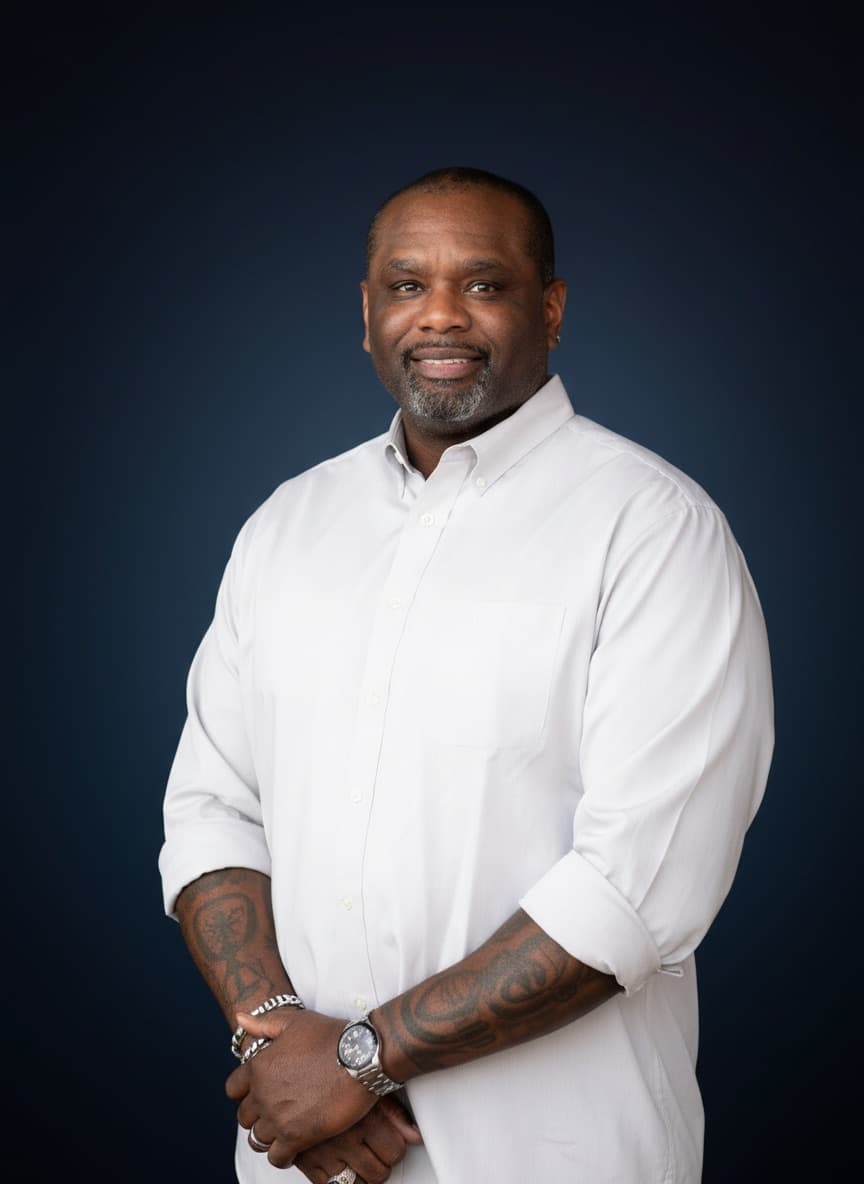
Jerome D. Lee is the founding attorney of J. Lee & Associates Law Group, representing clients in personal injury, immigration, criminal defense, and family law throughout Metro Atlanta.
View full bio →Related Articles
Immigration Questions? We Speak Your Language
From green cards to deportation defense, our bilingual team is here to help. Schedule a consultation today.
Get Free Legal Updates
Weekly articles on your rights in Georgia. No spam.
By subscribing you agree to receive legal information. Unsubscribe at any time.