

Understanding H-1B Requests for Evidence: What USCIS Is Asking and How to Respond
Receiving a Request for Evidence (RFE) on an H-1B petition is a stressful and time-sensitive situation. USCIS issues RFEs when the initial petition does not contain sufficient evidence to establish eligibility for the H-1B classification. An RFE is not a denial, but it requires a prompt, thorough, and legally sound response to avoid jeopardizing your ability to work in the United States.
The immigration attorneys at J. Lee & Associates have extensive experience responding to H-1B RFEs across a broad range of occupations and industries. We help both workers and sponsoring employers understand what USCIS is questioning and how to build the strongest possible response.
What Is an H-1B RFE?
A Request for Evidence is a written notice from U.S. Citizenship and Immigration Services (USCIS) requesting additional documentation or information to adjudicate a pending petition. For H-1B cases, RFEs most commonly arise when the adjudicating officer believes the petition does not adequately establish one or more of the eligibility requirements.
RFEs are governed by 8 C.F.R. § 103.2(b)(8), which sets out the procedures for USCIS to issue requests for additional evidence. The USCIS Policy Manual (Volume 2, Part B) also provides guidance on the evidentiary standards applicable to H-1B petitions.
Most Common Reasons for H-1B RFEs
Understanding the most frequent bases for H-1B RFEs helps in preparing a targeted and effective response:
1. Specialty Occupation Challenge
The most frequent basis for an H-1B RFE is a challenge to whether the position qualifies as a "specialty occupation" under INA § 214(i)(1) and 8 C.F.R. § 214.2(h)(4)(ii). A specialty occupation requires a minimum of a bachelor's degree in a specific specialty — or its equivalent — as a normal, minimum requirement for the position.
USCIS officers scrutinize positions such as software engineer, business analyst, marketing manager, and similar roles where they believe the employer has not demonstrated that a specific degree in a specific field is normally required. RFEs in this category typically request additional documentation showing industry standards, job duty descriptions, and why the specific degree requirement applies.
2. Employer-Employee Relationship / Third-Party Placement
USCIS frequently issues RFEs when the H-1B worker will be placed at a third-party client site. The agency applies the employer-employee relationship test established in Matter of Simeio Solutions, LLC, 26 I&N Dec. 542 (AAO 2015), which requires the petitioner to demonstrate the right to control the worker's employment, including the right to hire, fire, pay, and supervise the beneficiary's day-to-day work activities.
For third-party placement cases, USCIS typically requests detailed itineraries, client contracts, and evidence of the petitioner's supervisory authority over the worker at the end-client site.
3. Insufficient Evidence of the Beneficiary's Qualifications
USCIS may issue an RFE if the worker's educational credentials do not directly correspond to the specialty occupation, if the degree was obtained from a non-U.S. institution, or if the beneficiary is relying on work experience in lieu of a degree under 8 C.F.R. § 214.2(h)(4)(iii)(D).
For foreign degrees, USCIS requires a credentials evaluation from a recognized evaluation service confirming the degree's equivalency to a U.S. bachelor's degree in a specific field.
4. Availability of Specialty Occupation Work / Itinerary
For H-1B petitions involving multiple work locations or consulting arrangements, USCIS may request a detailed itinerary demonstrating that qualifying work will be available for the full petition period, as required by 8 C.F.R. § 214.2(h)(2)(i)(B).
5. LCA Challenges
The Labor Condition Application (LCA) filed with the Department of Labor must correspond precisely to the H-1B petition. RFEs may challenge inconsistencies between the LCA job title, wage level, and worksite location compared to the petition.
RFE Response Deadlines: Act Promptly
USCIS establishes a specific response deadline in each RFE notice, typically between 87 days (for regular processing) to as few as 16 days (for premium processing cases). Failing to respond by the deadline will result in the denial of the petition. Under 8 C.F.R. § 103.2(b)(8)(ii), USCIS may treat a failure to respond as abandonment of the petition.
If you receive an H-1B RFE, you should contact an immigration attorney immediately to begin preparing your response. Building a comprehensive RFE response often requires gathering multiple documents, obtaining expert opinions, and drafting detailed legal briefs, all of which require time.
How to Build a Winning H-1B RFE Response
An effective H-1B RFE response is organized, evidence-heavy, and directly addresses each point raised by USCIS. Key components of a strong response include:
- A detailed cover letter: An organized brief that methodically addresses each issue raised in the RFE, cites applicable regulations and USCIS policy, and directs the adjudicating officer to the relevant supporting evidence.
- Revised or supplemental employer letter: A detailed letter from the employer explaining the position's duties, the minimum educational requirements for the role in the industry, the beneficiary's qualifications, and — in third-party placement cases — the nature of the employer's supervisory control.
- Independent professional expert opinion letter: In specialty occupation cases, a letter from a recognized expert in the relevant field confirming that the position requires a specific degree is a powerful piece of evidence. Expert opinions should be grounded in Bureau of Labor Statistics data, Occupational Outlook Handbook descriptions, and industry standards.
- Evidence of industry standards: Job postings from comparable employers requiring the same degree for similar positions, surveys of educational requirements in the industry, and published professional association guidelines can all demonstrate that the degree requirement is the industry norm.
- Contracts and statements of work: For third-party placement cases, copies of end-client contracts, statements of work describing the worker's role, and organizational charts demonstrating the petitioner's oversight role are essential.
- Foreign degree evaluation: For beneficiaries with foreign degrees, an updated credentials evaluation from a recognized evaluator (such as Josef Silny & Associates or World Education Services) that specifically addresses the degree's equivalency to a U.S. bachelor's in the required field.
What Happens If My H-1B RFE Response Is Denied?
If USCIS issues a Notice of Intent to Deny (NOID) or denies the petition after receipt of your RFE response, you have several options:
- Motion to Reopen or Reconsider (Form I-290B): You may file a motion to reopen based on new facts or a motion to reconsider based on legal error within 33 days of the denial date.
- Administrative Appeal: Certain H-1B denials may be appealed to the Administrative Appeals Office (AAO).
- Federal Court Challenge: Unreasonable or arbitrary denials may be challenged in federal district court under the Administrative Procedure Act (APA), 5 U.S.C. § 702.
- Refiling: In some circumstances, refiling the petition with improved documentation may be the most efficient path forward.
Protecting Your Work Authorization During the RFE Process
If the H-1B worker is currently in valid H-1B status with the same employer, the worker may continue to work while the extension petition is pending, including during the RFE response period. However, workers who have changed employers, are awaiting initial cap-subject petitions, or have other complications should consult with an attorney immediately to assess their ability to continue working lawfully.
Contact J. Lee & Associates for Help with Your H-1B RFE
Navigating an H-1B RFE requires immigration law expertise, a strategic approach, and prompt action. The immigration attorneys at J. Lee & Associates have helped workers and employers across Georgia and the United States respond successfully to USCIS RFEs.
Contact J. Lee & Associates at (770) 676-4445 for a confidential consultation. Our office is located at 1250 Tech Dr, Suite 240, Norcross, GA 30093. We handle immigration cases for individuals and employers throughout Georgia and across the country. Do not wait — RFE deadlines are strict and non-negotiable.
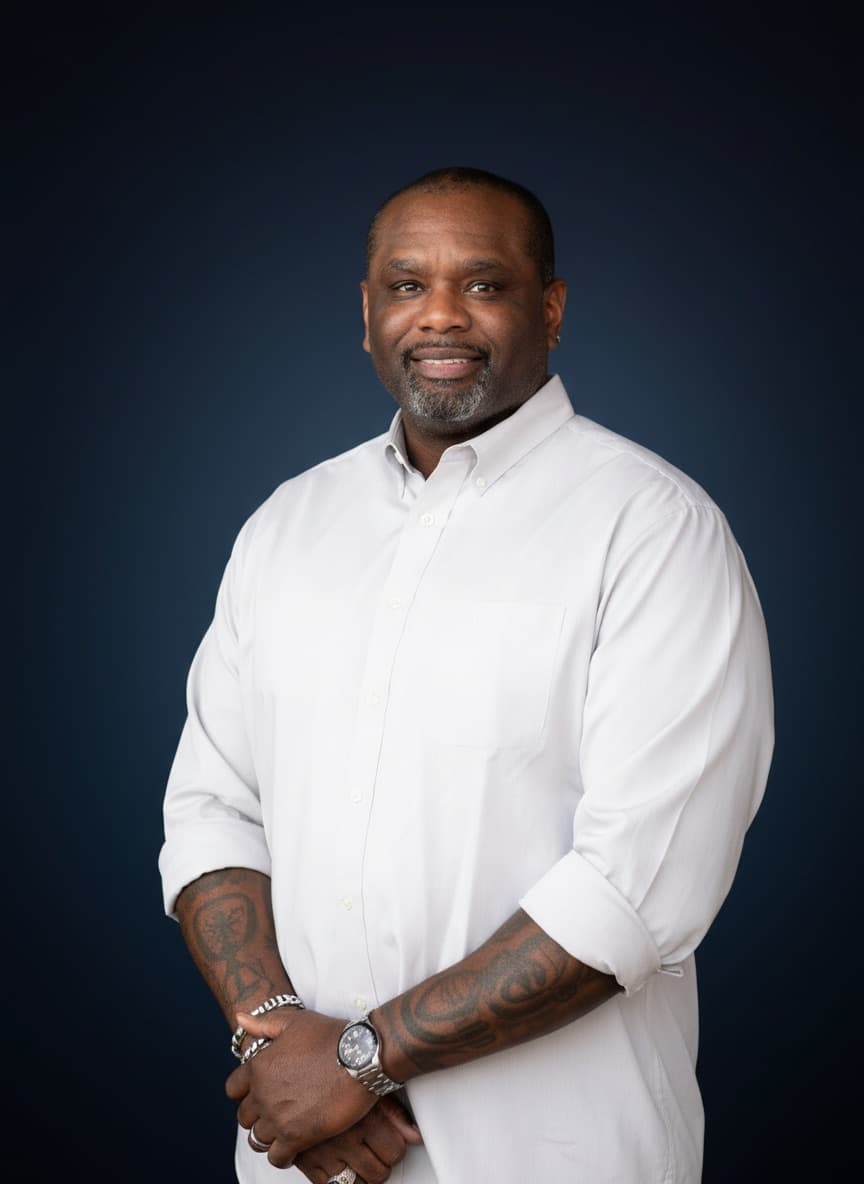
Jerome D. Lee is the founding attorney of J. Lee & Associates Law Group, representing clients in personal injury, immigration, criminal defense, and family law throughout Metro Atlanta.
View full bio →Related Articles
Immigration Questions? We Speak Your Language
From green cards to deportation defense, our bilingual team is here to help. Schedule a consultation today.
Get Free Legal Updates
Weekly articles on your rights in Georgia. No spam.
By subscribing you agree to receive legal information. Unsubscribe at any time.