

VAWA Self-Petitions: Immigration Protections for Victims of Abuse
The Violence Against Women Act (VAWA) provides critical immigration protections for individuals who have been abused by their U.S. citizen or lawful permanent resident (LPR) spouse, parent, or child. VAWA allows qualifying victims to self-petition for lawful immigration status without the knowledge or consent of their abuser. At J. Lee & Associates Law Group, we understand the courage it takes to seek help in these situations, and we are committed to guiding abuse victims through the VAWA process with compassion and confidentiality.
What Is a VAWA Self-Petition?
Under the Immigration and Nationality Act (INA) Section 204(a)(1)(A)(iii) (for spouses and children of U.S. citizens) and INA Section 204(a)(1)(B)(ii) (for spouses and children of lawful permanent residents), certain victims of domestic violence may file a self-petition (Form I-360) to obtain lawful permanent resident status independently of their abuser.
The VAWA self-petition was created because Congress recognized that abusers often use immigration status as a tool of control. In many cases, the abusive U.S. citizen or LPR spouse refuses to file an immigration petition for the victim, threatens to report the victim to immigration authorities, or withdraws a pending petition as a means of maintaining power over the relationship. VAWA removes this leverage by allowing the victim to petition on their own behalf.
It is important to note that despite the name "Violence Against Women Act," VAWA protections are available to all qualifying individuals regardless of gender. Men, women, and individuals of any gender identity may file a VAWA self-petition if they meet the eligibility requirements.
Who Is Eligible for a VAWA Self-Petition?
To be eligible for a VAWA self-petition, you must demonstrate the following elements:
1. Qualifying Relationship
You must have a qualifying relationship with a U.S. citizen or lawful permanent resident. Eligible petitioners include:
- Spouses: You are the current or former spouse of a U.S. citizen or LPR who subjected you to battery or extreme cruelty. You may also be eligible if your spouse lost their citizenship or LPR status due to domestic violence, or if your marriage ended within the past two years due to the abuse.
- Children: You are an unmarried child (under 21 at the time of filing, with certain age-out protections) of a U.S. citizen or LPR who subjected you to battery or extreme cruelty.
- Parents: You are the parent of a U.S. citizen son or daughter (the child must be at least 21 years old) who subjected you to battery or extreme cruelty.
2. Battery or Extreme Cruelty
You must demonstrate that you were subjected to battery or extreme cruelty by your qualifying relative. "Battery" includes physical violence such as hitting, slapping, kicking, or any form of physical assault. "Extreme cruelty" is a broader concept that encompasses patterns of emotional, psychological, economic, and sexual abuse. Examples of extreme cruelty recognized by USCIS and the Board of Immigration Appeals (BIA) include:
- Threats of deportation or withdrawal of immigration paperwork
- Isolation from family, friends, and community support
- Controlling access to finances, employment, or education
- Verbal degradation, humiliation, and intimidation
- Threats of harm to the victim or the victim's children
- Forced sexual acts or marital rape
- Destruction of personal property or immigration documents
- Stalking and surveillance
You do not need a police report or criminal conviction to prove battery or extreme cruelty. USCIS accepts a wide range of evidence, including personal declarations, letters from counselors or social workers, medical records, photographs, protective orders, and statements from friends, family, or community members who have knowledge of the abuse.
3. Good Faith Marriage
If you are filing as a spouse, you must demonstrate that you entered the marriage in good faith and not solely for the purpose of obtaining immigration benefits. Evidence of good faith marriage may include joint tax returns, shared bank accounts, lease agreements or mortgage documents listing both spouses, photographs of the couple together at family events, birth certificates of children born during the marriage, and testimony from people who know the couple and can attest to the genuine nature of the relationship.
4. Residence with the Abuser
You must show that you resided with the abuser in the United States at some point during the qualifying relationship. There is no requirement that you are currently living with the abuser at the time of filing. In fact, many VAWA petitioners have already separated from or fled the abuser before filing.
5. Good Moral Character
You must demonstrate good moral character. USCIS generally reviews the three-year period before filing the petition. Certain criminal convictions or other issues can raise good moral character concerns, but USCIS has discretion to make exceptions when the criminal activity was connected to the abuse (for example, if the victim was arrested for defending themselves against the abuser).
Confidentiality Protections Under VAWA
One of the most important features of the VAWA process is its strict confidentiality protections. Under INA Section 384, USCIS is prohibited from:
- Disclosing any information about a VAWA case to the abuser or the abuser's family
- Contacting the abuser to verify claims made in the petition
- Using information provided by the abuser to make a determination on the petition (with very limited exceptions)
These protections exist to ensure that the abuser cannot interfere with the victim's immigration case and to prevent retaliation. If you are concerned about your safety, know that USCIS takes these confidentiality requirements very seriously. Any violation can be reported and investigated.
The VAWA Self-Petition Process
The VAWA self-petition process involves several stages:
Step 1: Filing Form I-360
The self-petition is filed using USCIS Form I-360. There is no filing fee for VAWA self-petitions. The petition should be accompanied by a comprehensive evidence package including your personal declaration, supporting documentation of the abuse, evidence of the qualifying relationship, evidence of good faith marriage (if applicable), evidence of residence with the abuser, and evidence of good moral character.
Step 2: Prima Facie Determination
After USCIS receives the petition, it conducts an initial review to determine whether the petition establishes a prima facie case. If it does, USCIS issues a prima facie determination notice, which allows the petitioner to access certain public benefits while the case is pending. [VERIFY - dated 2026-05] Processing times for the prima facie determination and final adjudication vary; check the USCIS website for current processing times at the Vermont Service Center, which handles all VAWA self-petitions.
Step 3: Final Adjudication
USCIS reviews all evidence and makes a final determination on the petition. If approved, the petitioner receives an approval notice and can proceed to apply for lawful permanent resident status through adjustment of status (Form I-485) or consular processing, depending on visa availability.
Step 4: Adjustment of Status or Consular Processing
After the I-360 is approved, the petitioner may apply for a green card. VAWA self-petitioners are exempt from the public charge ground of inadmissibility under INA Section 212(a)(4), which means that their use of public benefits will not be held against them.
Employment Authorization for VAWA Petitioners
VAWA self-petitioners may apply for employment authorization (work permit) while their case is pending. Once the prima facie determination is issued or the I-360 is approved, the petitioner can file Form I-765 to obtain an Employment Authorization Document (EAD). This allows the petitioner to work legally in the United States while awaiting the final resolution of their immigration case.
VAWA and Removal Proceedings
VAWA protections can also be raised as a defense in removal (deportation) proceedings. If you are in removal proceedings and are eligible for VAWA relief, an immigration judge may grant you cancellation of removal under INA Section 240A(b)(2). This form of relief is available to VAWA-eligible individuals who have been physically present in the United States for at least three years, demonstrate good moral character, and can show that removal would result in extreme hardship to themselves, their child, or their parent.
Resources and Support in Georgia
If you are in an abusive situation, your safety comes first. Georgia has several resources available to domestic violence victims:
- The National Domestic Violence Hotline: 1-800-799-7233 (available 24/7, multilingual support)
- Georgia Coalition Against Domestic Violence: provides referrals to local shelters and services
- Local law enforcement: if you are in immediate danger, call 911
At J. Lee & Associates Law Group, we work with clients who are navigating both the legal and personal challenges of domestic violence. We coordinate with domestic violence advocates and service providers to ensure our clients have access to the full range of support they need.
Contact Us for a Confidential Consultation
If you or someone you know is a victim of domestic violence and may qualify for VAWA protections, contact J. Lee & Associates at (770) 676-4445 for a confidential consultation. Our office is located at 1250 Tech Dr, Suite 240, Norcross, GA 30093. We serve clients across Georgia and are here to help you take the first step toward safety and independence.
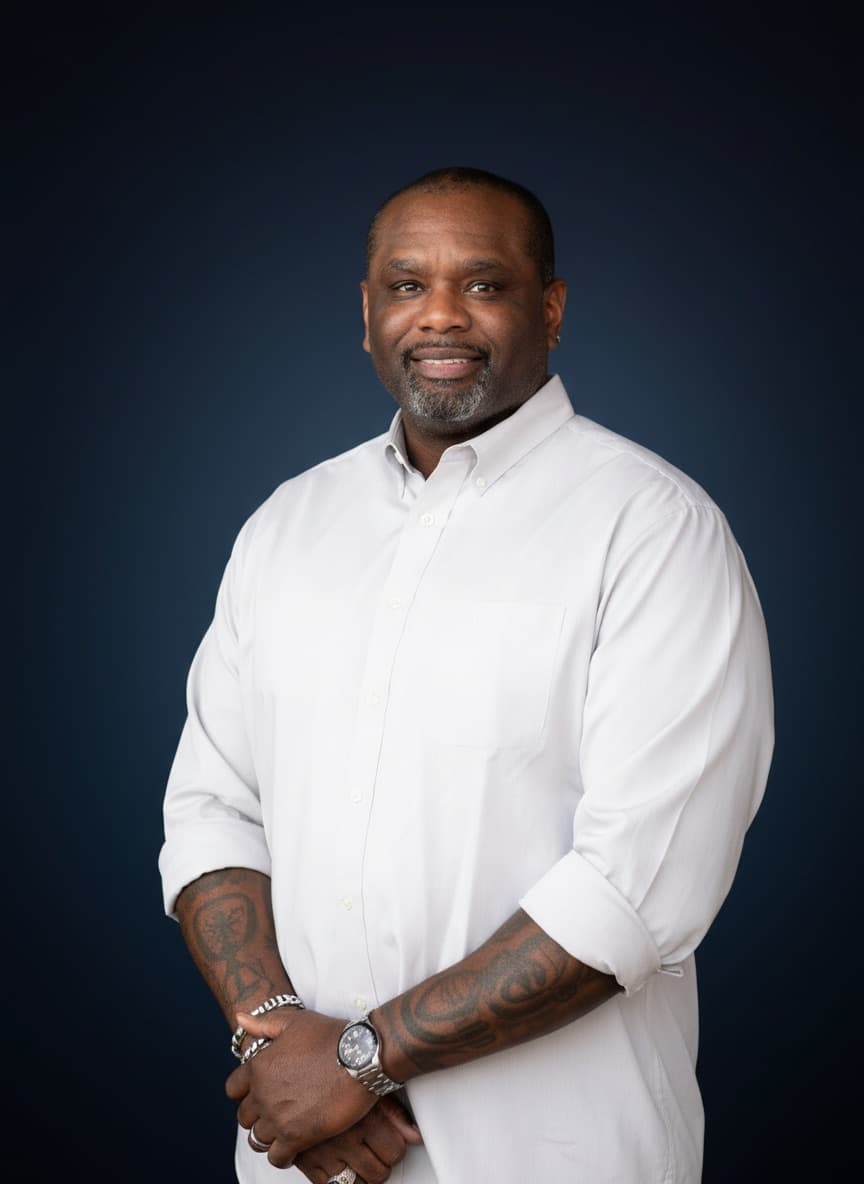
Jerome D. Lee is the founding attorney of J. Lee & Associates Law Group, representing clients in personal injury, immigration, criminal defense, and family law throughout Metro Atlanta.
View full bio →Related Articles
Immigration Questions? We Speak Your Language
From green cards to deportation defense, our bilingual team is here to help. Schedule a consultation today.
Get Free Legal Updates
Weekly articles on your rights in Georgia. No spam.
By subscribing you agree to receive legal information. Unsubscribe at any time.