

EB-2 National Interest Waiver (NIW): Eligibility and the Dhanasar Framework
The EB-2 National Interest Waiver (NIW) is one of the most sought-after pathways to a green card for highly skilled professionals, researchers, entrepreneurs, and individuals whose work benefits the United States. Unlike most employment-based green card categories, the NIW allows qualified individuals to self-petition without needing an employer sponsor or going through the labor certification (PERM) process. At J. Lee & Associates Law Group, we have helped professionals across Georgia navigate the NIW petition process and build strong cases for approval.
What Is the EB-2 National Interest Waiver?
The EB-2 category under the Immigration and Nationality Act (INA) Section 203(b)(2) covers professionals holding advanced degrees or individuals with exceptional ability in the sciences, arts, or business. Normally, EB-2 applicants need a job offer from a U.S. employer and an approved labor certification from the Department of Labor.
However, under INA Section 203(b)(2)(B), USCIS may waive the job offer and labor certification requirements if it determines that the applicant's work is in the national interest of the United States. This is the National Interest Waiver. The NIW is particularly attractive because it allows the applicant to file the petition (Form I-140) on their own behalf, giving them greater control over their immigration process.
The Dhanasar Framework: The Current Legal Standard
In December 2016, the Administrative Appeals Office (AAO) issued a precedent decision in Matter of Dhanasar, 26 I&N Dec. 884 (AAO 2016), which replaced the older Matter of New York State Department of Transportation (NYSDOT) framework that had been in use since 1998. The Dhanasar framework established a new three-prong test that is more flexible and applicant-friendly than its predecessor.
Under Dhanasar, a petitioner must demonstrate all three of the following:
Prong 1: The Proposed Endeavor Has Both Substantial Merit and National Importance
The first prong requires the applicant to show that their proposed endeavor has substantial merit and is nationally important. USCIS interprets "substantial merit" broadly. It is not limited to economic impact; endeavors in areas such as education, public health, scientific research, technology, environmental protection, and cultural contributions can all qualify.
"National importance" does not mean the endeavor must benefit the entire nation uniformly. Rather, the applicant must show that the impact extends beyond a specific locality or employer. For example, a researcher developing new cancer treatment protocols contributes knowledge that benefits the broader medical community, even if the research is conducted at a single institution. Similarly, an entrepreneur building a technology platform that serves users across multiple states demonstrates national scope.
Prong 2: The Petitioner Is Well Positioned to Advance the Proposed Endeavor
The second prong evaluates whether the petitioner has the qualifications, experience, track record, and plan to actually carry out the proposed endeavor. USCIS considers factors such as:
- Education and training: Advanced degrees, specialized certifications, and relevant coursework.
- Professional experience: Years of relevant work, positions held, and responsibilities undertaken.
- Record of achievement: Publications, patents, awards, grants, citations, successful projects, and other measurable accomplishments.
- A concrete plan: A clear description of what the petitioner intends to do in the United States, including current or prospective employment, research agenda, or business plan.
- Progress to date: Evidence that the petitioner has already made strides toward advancing their endeavor, such as ongoing research, contracts, partnerships, or letters of intent.
This prong is about demonstrating that you are not merely proposing an idea but that you have the background and positioning to make it happen. Strong recommendation letters from experts in the field, detailed curricula vitae, and documentation of past successes are critical evidence for this prong.
Prong 3: On Balance, It Would Be Beneficial to the United States to Waive the Job Offer and Labor Certification Requirements
The third prong is the balancing test. USCIS weighs whether the benefits of granting the waiver outweigh the national interest that the labor certification process is designed to protect (i.e., ensuring that U.S. workers are not displaced). Factors that support this prong include:
- The urgency of the petitioner's work or the difficulty of replicating it through the normal labor market.
- The unique qualifications the petitioner brings that are not readily available among the U.S. labor force.
- The impracticality of requiring a specific job offer for the type of work the petitioner does (for example, researchers whose work spans multiple institutions or entrepreneurs who are building their own companies).
- Evidence that the endeavor itself would be significantly delayed or impeded by requiring the petitioner to go through the PERM process.
Who Qualifies for an EB-2 NIW?
To file an EB-2 NIW petition, you must first establish that you meet the baseline EB-2 requirements. There are two paths:
- Advanced degree: You hold a U.S. master's degree or higher, or a foreign equivalent. A bachelor's degree plus five years of progressive work experience in the field may also qualify as equivalent to a master's degree under 8 CFR 204.5(k)(2).
- Exceptional ability: You can demonstrate exceptional ability in the sciences, arts, or business by meeting at least three of six criteria under 8 CFR 204.5(k)(3)(ii), including academic records, professional licenses, evidence of salary or remuneration for services commanding a high wage, membership in professional associations, recognition for achievements, or letters from peers or government entities attesting to your contributions.
Common Professions That Pursue the NIW
While the NIW is not limited to any specific field, it is commonly pursued by:
- Researchers and scientists in STEM fields
- Medical professionals and physicians (especially those committing to work in underserved areas)
- Engineers and technology professionals
- University professors and academic researchers
- Entrepreneurs with innovative businesses
- Public health professionals
- Environmental scientists and policy experts
Physicians who commit to working full-time in a Health Professional Shortage Area (HPSA) or a Veterans Affairs facility for at least five years may qualify for a special physician NIW under INA Section 203(b)(2)(B)(ii). [VERIFY - dated 2026-05] The physician NIW has specific documentation requirements that differ from the standard Dhanasar analysis.
Building a Strong NIW Petition
A successful NIW petition requires careful preparation and compelling evidence. Here are key strategies:
- Craft a detailed personal statement: Explain your proposed endeavor clearly, including its importance, your qualifications, and why a waiver of the job offer requirement serves the national interest.
- Obtain strong recommendation letters: Letters from recognized experts in your field who can speak to the importance of your work and your unique qualifications are among the most persuasive pieces of evidence. Aim for five to eight letters from a mix of collaborators and independent experts who know your work by reputation.
- Document your track record: Compile publications, citations, patents, grants, awards, media coverage, and any other evidence of the impact of your work.
- Show national scope: Demonstrate that your work has implications beyond a single employer or locality. Evidence of collaboration across institutions, publications in national or international journals, or projects that serve populations across multiple states strengthens this showing.
- Address the balancing test directly: Explain why requiring a labor certification would be impractical or counterproductive in your specific case.
Processing Times and Filing Strategy
[VERIFY - dated 2026-05] As of early 2026, EB-2 NIW processing times at the Texas Service Center and Nebraska Service Center have varied significantly, with some petitions pending for 12 to 18 months without premium processing. Premium processing (Form I-907) is available for I-140 petitions, allowing adjudication within 45 business days for an additional filing fee. Applicants should consult current USCIS processing time estimates and consider premium processing if time is a factor.
The EB-2 visa category is subject to per-country limits and annual visa allocations. Applicants from countries with high demand (notably India and China) may face significant visa bulletin backlogs even after the I-140 is approved. Planning your filing strategy with an experienced immigration attorney can help you understand your timeline and explore options such as concurrent filing of Form I-485 if a visa number is immediately available.
Why Work with J. Lee & Associates?
At J. Lee & Associates Law Group, we understand the complexity of the EB-2 NIW process. Our team works closely with each client to evaluate their eligibility, develop a persuasive petition strategy, and compile the strongest possible evidence package. We have experience representing professionals in a wide range of fields and understand what USCIS adjudicators are looking for under the Dhanasar framework.
We serve clients in Norcross, Atlanta, and throughout the state of Georgia. Whether you are a researcher, physician, engineer, entrepreneur, or professional in another field, we can help you determine whether the NIW is the right path for you.
Contact Us for a Confidential Consultation
If you believe you may qualify for an EB-2 National Interest Waiver, contact J. Lee & Associates at (770) 676-4445 for a confidential consultation. Our office is located at 1250 Tech Dr, Suite 240, Norcross, GA 30093. Let us help you take the next step toward permanent residence in the United States.
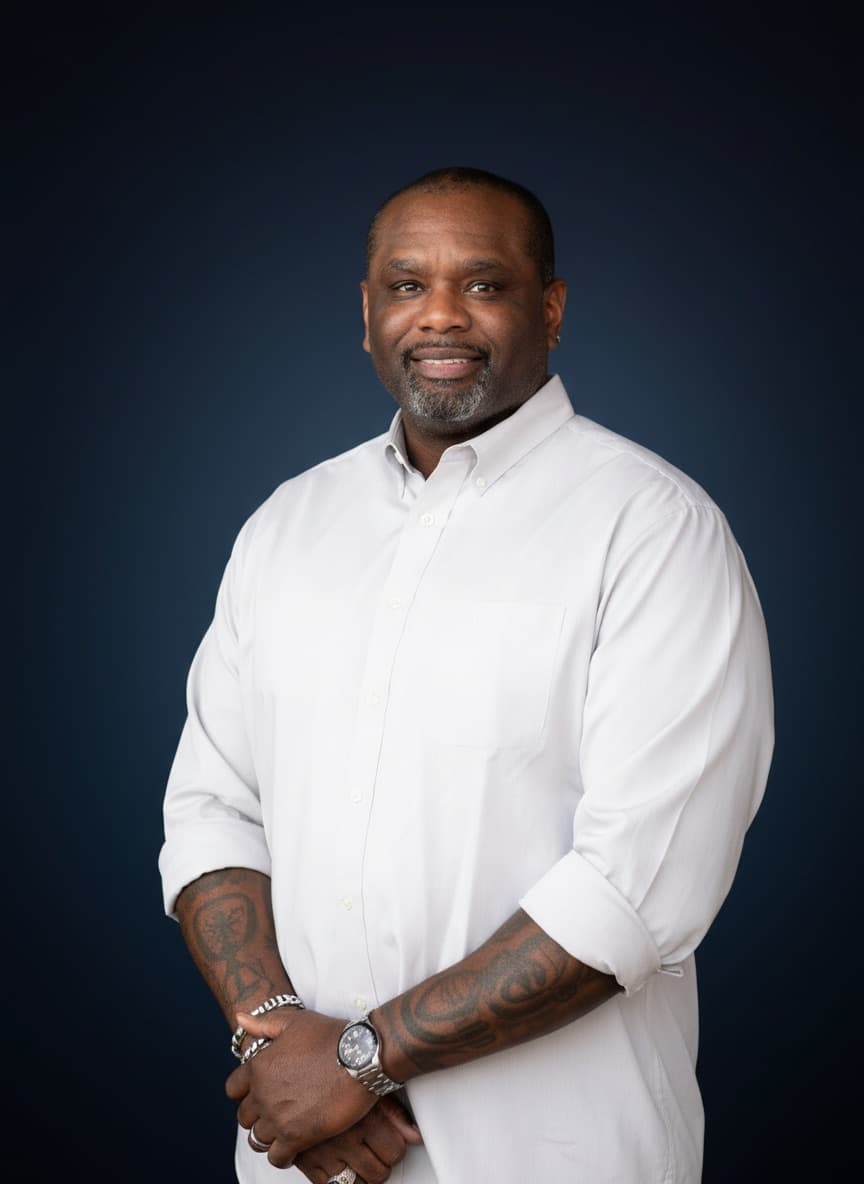
Jerome D. Lee is the founding attorney of J. Lee & Associates Law Group, representing clients in personal injury, immigration, criminal defense, and family law throughout Metro Atlanta.
View full bio →Related Articles
Immigration Questions? We Speak Your Language
From green cards to deportation defense, our bilingual team is here to help. Schedule a consultation today.
Get Free Legal Updates
Weekly articles on your rights in Georgia. No spam.
By subscribing you agree to receive legal information. Unsubscribe at any time.