

VAWA Self-Petition Guide: Protection for Abuse Victims
The Violence Against Women Act (VAWA) provides a critical lifeline for immigrants who have suffered abuse at the hands of a U.S. citizen or lawful permanent resident spouse, parent, or child. At J. Lee & Associates Law Group, our immigration attorneys have helped many abuse survivors secure lawful status through the VAWA self-petition process. If you or someone you know is in an abusive situation, understanding your legal options is the first step toward safety and independence.
What Is a VAWA Self-Petition?
Under INA § 204(a)(1)(A)(iii) and (iv), an abused spouse, child, or parent of a U.S. citizen or lawful permanent resident may file a self-petition for immigrant classification without the knowledge or consent of the abuser. This is one of the most powerful protections in U.S. immigration law because it removes the abuser's ability to control the victim's immigration status.
The self-petition is filed on Form I-360 with U.S. Citizenship and Immigration Services (USCIS). Unlike most family-based immigration petitions, the abuser does not need to file anything or even know the petition exists. This confidentiality protection is codified at 8 U.S.C. § 1367 and strictly limits the disclosure of information about VAWA applicants.
Who Is Eligible for a VAWA Self-Petition?
To qualify for VAWA self-petition status, an applicant must demonstrate the following:
- Qualifying Relationship: The applicant must be the spouse, former spouse (if the marriage ended within two years of filing due to abuse), child (under 21 and unmarried), or parent of an abusive U.S. citizen or lawful permanent resident.
- Battery or Extreme Cruelty: The applicant must have been subjected to battery or extreme cruelty by the qualifying relative. Under 8 CFR § 204.2(c)(1)(vi), this includes physical violence, sexual abuse, forced isolation, economic abuse, threats, intimidation, emotional abuse, and other acts of power and control.
- Good Faith Marriage: For spousal self-petitions, the marriage must have been entered into in good faith, not solely for immigration purposes. USCIS evaluates evidence such as joint finances, cohabitation, shared responsibilities, and photographs.
- Residence: The applicant must have resided with the abuser at some point. There is no requirement of current cohabitation.
- Good Moral Character: The applicant must demonstrate good moral character, typically through police clearance letters and personal declarations. Certain criminal convictions may be waived if connected to the abuse pursuant to INA § 204(a)(1)(C).
- U.S. Residence: The applicant must be residing in the United States at the time of filing, although exceptions exist for applicants abused abroad by a U.S. government employee or military member.
Evidence Requirements for a VAWA Self-Petition
USCIS applies a "any credible evidence" standard when evaluating VAWA cases, as established in INA § 204(a)(1)(J). This means the agency will consider any relevant evidence, even if it does not conform to traditional evidentiary rules. Common types of evidence include:
- Personal declaration: A detailed written statement describing the abuse, the relationship, and the impact on the applicant and any children.
- Police reports: Documentation of any incidents reported to law enforcement.
- Protective orders: Restraining orders or temporary protective orders issued by courts.
- Medical records: Hospital records, physician statements, or mental health evaluations documenting injuries or trauma.
- Photographs: Images showing injuries, property damage, or living conditions.
- Affidavits from witnesses: Statements from friends, family, neighbors, co-workers, clergy, social workers, or counselors who have knowledge of the abuse.
- School records: For child petitioners, records showing attendance changes, behavioral issues, or counselor involvement.
- Communications: Text messages, emails, voicemails, or social media posts from the abuser that demonstrate abusive behavior.
Confidentiality Protections Under VAWA
One of the most important features of the VAWA program is its robust confidentiality protections. Under 8 U.S.C. § 1367, the Department of Homeland Security, including USCIS, Immigration and Customs Enforcement (ICE), and Customs and Border Protection (CBP), is prohibited from:
- Disclosing any information about a VAWA applicant to the abuser
- Using information provided by the abuser to make an adverse determination against the applicant
- Contacting the abuser to verify claims made in the self-petition
- Initiating removal proceedings based solely on information provided by the abuser
These protections ensure that survivors can seek immigration relief without fear that their abuser will learn about the application or use the immigration system as a tool of further abuse.
Benefits of an Approved VAWA Self-Petition
Once USCIS approves the I-360 self-petition, the applicant receives a prima facie determination that allows them to obtain certain benefits while their case is pending. These include:
- Deferred action status: Protection from removal while the case is adjudicated.
- Employment authorization: The ability to work legally in the United States through an Employment Authorization Document (EAD).
- Access to public benefits: Eligibility for certain federal and state public assistance programs.
- Path to lawful permanent residence: Once a visa number is available, the applicant may apply for adjustment of status to become a lawful permanent resident (green card holder) under INA § 245(a).
VAWA Processing Times and What to Expect
As of 2026, USCIS processing times for VAWA self-petitions at the Vermont Service Center typically range from 12 to 24 months for initial adjudication. However, applicants receive a prima facie notice relatively quickly, often within a few months, which provides interim benefits. Processing times can vary, and our attorneys at J. Lee & Associates Law Group monitor each case closely to address any requests for evidence (RFEs) promptly.
Common Mistakes to Avoid
Based on our experience handling VAWA cases, the following are frequent errors that can delay or jeopardize a self-petition:
- Failing to provide a sufficiently detailed personal declaration
- Not including corroborating evidence when it is available
- Missing the two-year filing deadline after divorce from the abuser
- Not disclosing criminal history (even minor offenses must be reported)
- Filing prematurely without gathering adequate supporting documentation
How J. Lee & Associates Law Group Can Help
At J. Lee & Associates Law Group, we understand the courage it takes to leave an abusive relationship and seek legal protection. Our immigration attorneys have extensive experience preparing VAWA self-petitions and guiding survivors through every step of the process. We handle each case with the sensitivity and confidentiality it deserves.
Our team will help you gather evidence, prepare your personal declaration, respond to any USCIS requests for evidence, and ultimately pursue your path to lawful permanent residence. We serve clients throughout Georgia and beyond from our office in Norcross.
If you believe you may qualify for VAWA protection, do not wait. The sooner you begin the process, the sooner you can secure your safety and your future.
Confidential VAWA Consultation
Contact J. Lee & Associates Law Group today for a confidential consultation about your VAWA self-petition options. Your safety and your immigration status matter.
Call (770) 609-9396
We speak English and Spanish. All consultations are strictly confidential.
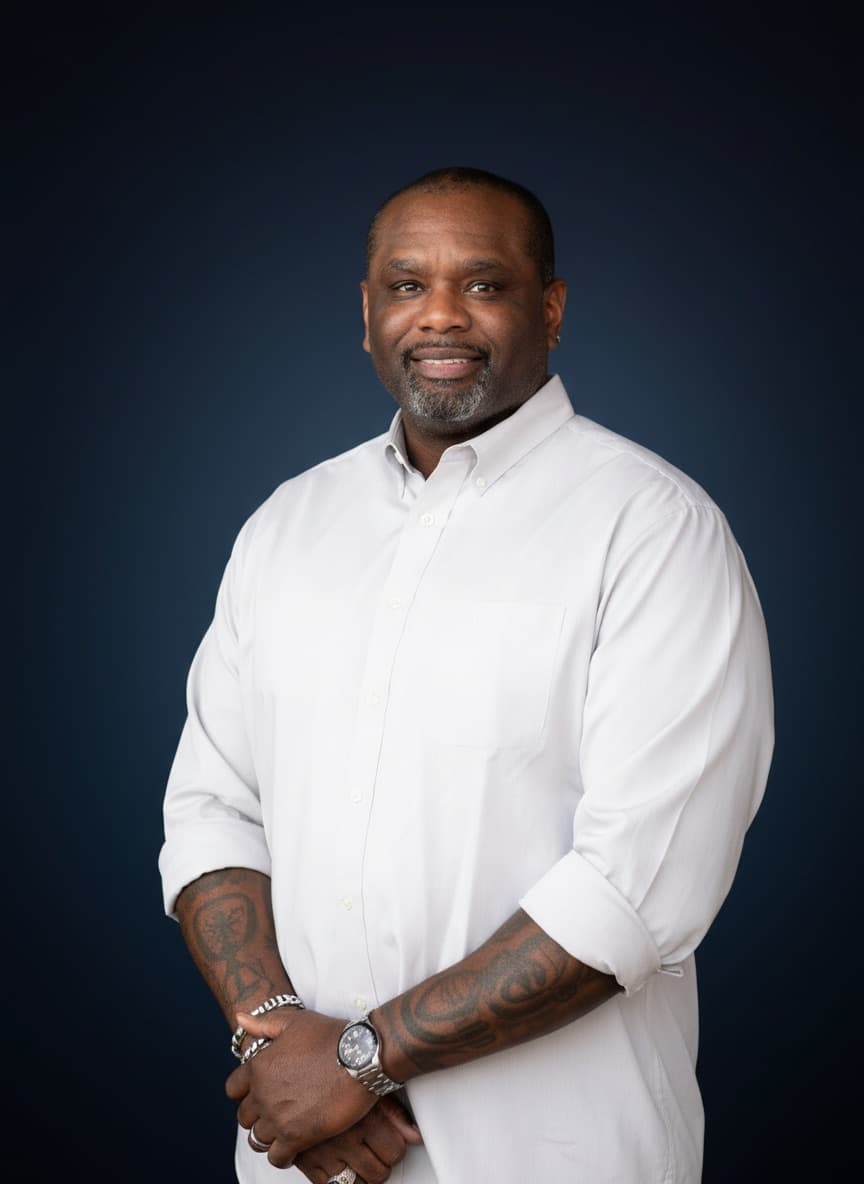
Jerome D. Lee es el abogado fundador de J. Lee & Associates Law Group, representando clientes en lesiones personales, inmigración, defensa criminal y derecho familiar en todo Metro Atlanta.
Ver biografía completa →Artículos Relacionados
¿Preguntas de Inmigración? Hablamos Su Idioma
Desde tarjetas verdes hasta defensa contra deportación, nuestro equipo bilingüe está aquí. Agende una consulta hoy.
Reciba Actualizaciones Legales Gratuitas
Artículos semanales sobre sus derechos en Georgia. Sin spam.
Al suscribirse acepta recibir información legal. Puede cancelar en cualquier momento.