

VAWA Self-Petition: Immigration Relief for Victims of Domestic Violence
Picture this: you are in an abusive marriage, and the person hurting you is also the person who controls whether you stay in the United States. Your abuser threatens to call ICE, refuses to file your immigration paperwork, or promises to withdraw the petition if you ever leave. So you stay silent. You stay trapped. Thousands of immigrant spouses across the country, including many here in Georgia, live this reality every day.
The Violence Against Women Act (VAWA) was designed to end exactly that cycle of control. Under VAWA, certain abused spouses, children, and parents of U.S. citizens and lawful permanent residents can self-petition for immigration relief independently, without the abuser's knowledge, consent, or cooperation. The process is confidential by federal law. Your abuser will not be notified.
At J. Lee & Associates Law Group, our bilingual immigration attorneys have guided domestic violence survivors throughout metro Atlanta through the VAWA self-petition process. We understand that these cases require both legal precision and genuine compassion. You do not have to choose between your safety and your future in this country.
What Is a VAWA Self-Petition and How Does It Work?
A VAWA self-petition is filed on Form I-360 and allows qualifying abuse victims to pursue lawful permanent resident status without relying on the abuser to file or maintain an immigration petition. The legal authority comes directly from the Immigration and Nationality Act (INA) § 204(a)(1)(A)(iii)-(iv) for spouses and children of U.S. citizens, and INA § 204(a)(1)(B)(ii)-(iii) for spouses and children of lawful permanent residents.
The confidentiality protection is federal law, not just policy. Under 8 U.S.C. § 1367, the U.S. Citizenship and Immigration Services (USCIS) is strictly prohibited from disclosing any information about a VAWA petition to the abuser or to any third party not authorized by law. USCIS will not contact the abuser to verify claims. The filing itself will never appear in any record accessible to the abuser.
Who Qualifies to File
You may be eligible to file a VAWA self-petition if you are:
- The spouse of a U.S. citizen or lawful permanent resident (LPR) who has subjected you to battery or extreme cruelty
- The child (under 21 and unmarried) of a U.S. citizen or LPR abuser
- The parent of an adult U.S. citizen who has abused you
Despite its name, VAWA protects victims of any gender. Men who have been abused by a U.S. citizen or LPR spouse are equally eligible to self-petition. Former spouses may also qualify if they file within two years of the divorce, provided the marriage ended in connection with the abuse. Widows and widowers of abusive U.S. citizens may file within two years of the citizen's death.
The Six Requirements USCIS Will Evaluate
To approve a Form I-360, USCIS must find all of the following:
- Qualifying relationship: You are or were the spouse, child, or parent of a U.S. citizen or LPR
- Battery or extreme cruelty: The qualifying family member subjected you to physical abuse or extreme mental cruelty
- Good faith entry: If you are a spouse, you entered the marriage genuinely, not solely to obtain immigration benefits
- Shared residence: You live or have lived with the abuser
- Good moral character: You demonstrate good moral character, evaluated for the three years before filing
- U.S. residence: You are living in the United States at the time of filing
What Qualifies as Battery or Extreme Cruelty Under VAWA
One of the most common misconceptions about VAWA is that it only covers physical violence. The law covers a much broader range of abusive conduct. USCIS applies a totality of circumstances test under 8 C.F.R. § 204.2(c)(1)(vi), meaning it looks at the full pattern of behavior, not a single incident.
Forms of Abuse Recognized Under VAWA
- Physical abuse: Hitting, slapping, kicking, choking, burning, sexual assault, threats with weapons, physical restraint
- Psychological and emotional abuse: Constant degradation, threats of harm, isolation from family and friends, surveillance, intimidation, extreme controlling behavior
- Economic abuse: Controlling all finances, forbidding employment, hiding or destroying financial documents, creating debt in the victim's name
- Immigration-related abuse: Threatening to withdraw your immigration petition, threatening to report you to ICE, confiscating or destroying your passport or immigration documents, refusing to file promised paperwork
Documentation When No Police Reports Exist
You do not need a police report, a criminal conviction, or a protective order to file a VAWA self-petition. Many survivors never called the police, for understandable reasons including fear, distrust, or language barriers. Georgia law under O.C.G.A. § 19-13-1 defines family violence to include felonies, battery, simple battery, simple assault, stalking, and criminal damage to property between household members. Evidence of conduct meeting this standard can support your VAWA petition even without formal charges ever being filed.
Strong alternative documentation includes medical records, counseling or therapy records, declarations from witnesses such as neighbors, friends, or clergy, photographs of injuries, text messages or emails showing threatening behavior, records from domestic violence shelters, and a detailed personal declaration describing the history of abuse. Your own written account, prepared carefully with an attorney, often serves as the backbone of a VAWA petition.
The VAWA Self-Petition Process: Step by Step
Filing the I-360 and Initial Review
The process begins with filing Form I-360 along with all supporting documentation. The petition is sent to the USCIS Vermont Service Center, which handles all VAWA cases regardless of where the petitioner lives. Once filed, USCIS reviews the submission for a prima facie determination. If USCIS finds that the petition states a viable case on its face, you become eligible for deferred action, which provides temporary protection from removal while your case is pending. At that point, you can also apply for an Employment Authorization Document (EAD), allowing you to work legally in the United States.
Full Adjudication and Approval
After the prima facie stage, USCIS conducts a full review of the evidence and issues a final decision. Current processing times at the Vermont Service Center range from approximately 24 to 48 months, though these figures shift with caseload. An experienced VAWA attorney can provide current estimates and help identify whether any expedite requests may be appropriate in your circumstances.
Adjustment of Status and the Path to a Green Card
An approved VAWA petition does not by itself grant a green card. The next step is filing Form I-485, Application to Register Permanent Residence. If your abuser is a U.S. citizen, you are classified as an immediate relative under the INA, meaning no visa number waiting period applies. You can file for adjustment of status as soon as your I-360 is approved. If your abuser is a lawful permanent resident, your petition falls under the second preference family category, and you will need to wait for a visa number to become available based on your priority date, which can add significant time to the process.
VAWA in Removal Proceedings and the U-Visa Alternative
VAWA Cancellation of Removal
A pending removal case does not eliminate your VAWA options. Under INA § 240A(b)(2), an immigration judge can cancel removal for a VAWA-qualifying victim who demonstrates continuous physical presence in the United States for at least three years, good moral character during that period, and that removal would cause extreme hardship to the petitioner or their child. This is a separate form of relief from the self-petition and can be raised directly before an immigration court.
Comparing VAWA and the U-Visa
Both VAWA and the U nonimmigrant visa provide immigration relief to crime victims, but they serve different situations. VAWA requires a qualifying family or marital relationship with the abuser, who must be a U.S. citizen or LPR. The U-visa, authorized under INA § 101(a)(15)(U), is available to victims of a broader range of qualifying crimes and requires certification from law enforcement confirming the victim's helpfulness in the investigation or prosecution of the crime. The abuser under a U-visa does not need to have any immigration status.
In some situations, a survivor may be eligible for both forms of relief. An attorney can analyze which path provides stronger protection and faster relief given your specific facts.
Why Legal Representation Matters in VAWA Cases
VAWA petitions are evidence-intensive. A weak declaration or incomplete documentation package can result in a Request for Evidence (RFE) or a denial, extending the process by months or years. An experienced VAWA attorney helps you gather the right documentation, drafts a legally precise and compelling personal declaration, and ensures that your filing meets every evidentiary standard USCIS applies under 8 C.F.R. § 204.2.
At J. Lee & Associates Law Group, our bilingual team serves clients in English and Spanish throughout Gwinnett County, DeKalb County, Fulton County, Cobb County, and across greater Atlanta. We handle VAWA cases with strict confidentiality and the legal skill these situations demand. Every consultation is private. Your abuser will never know you called.
The law gives you a way out that does not require your abuser's permission. Let us help you use it.
Contact J. Lee & Associates Law Group today at (770) 609-9396 for a confidential consultation.
Related Practice Areas
Confidential Consultation
If you or someone you know is being abused by a spouse or family member who controls your immigration status, you have legal options. Call (770) 609-9396 or visit jlalawgroup.com to schedule a confidential consultation with the bilingual immigration team at J. Lee & Associates Law Group. Se habla español.
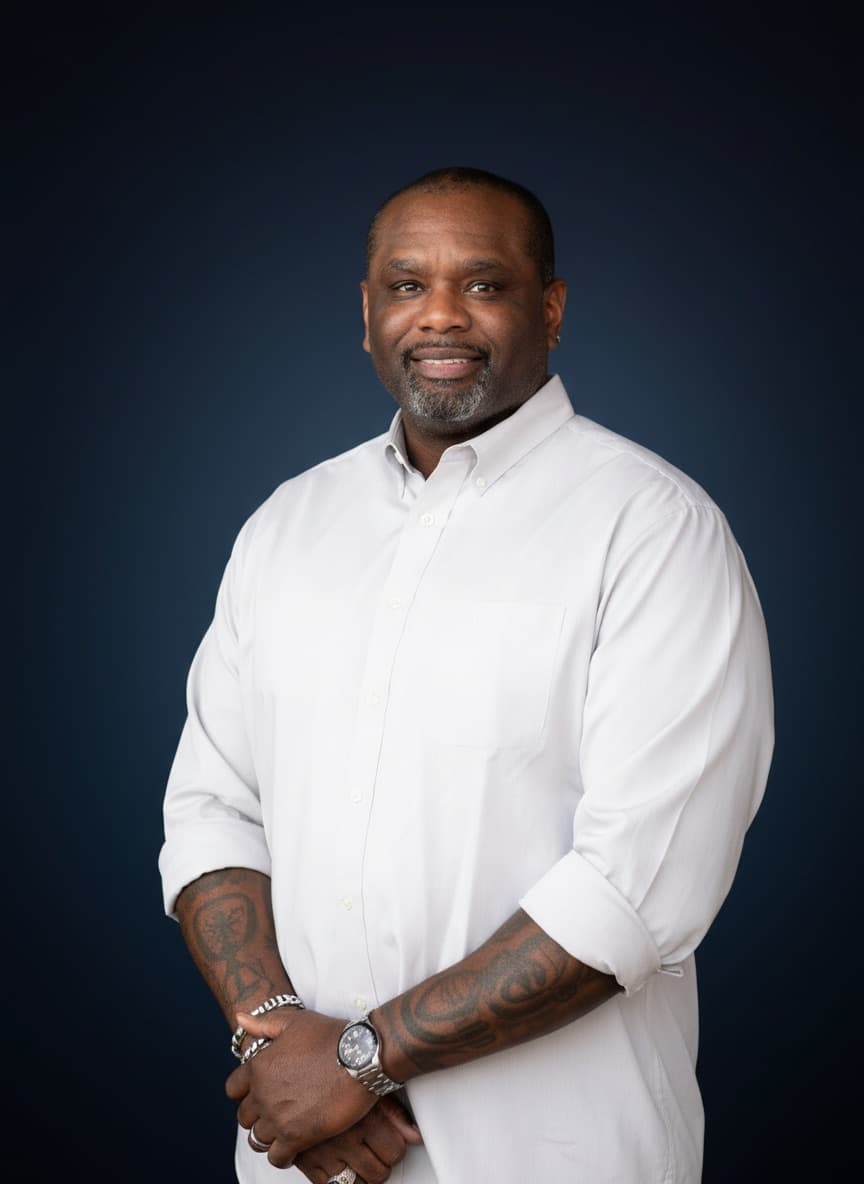
Jerome D. Lee es el abogado fundador de J. Lee & Associates Law Group, representando clientes en lesiones personales, inmigración, defensa criminal y derecho familiar en todo Metro Atlanta.
Ver biografía completa →Artículos Relacionados
¿Preguntas de Inmigración? Hablamos Su Idioma
Desde tarjetas verdes hasta defensa contra deportación, nuestro equipo bilingüe está aquí. Agende una consulta hoy.
Reciba Actualizaciones Legales Gratuitas
Artículos semanales sobre sus derechos en Georgia. Sin spam.
Al suscribirse acepta recibir información legal. Puede cancelar en cualquier momento.