

VAWA Self-Petition: How Abuse Victims in Georgia Can Seek Immigration Relief Without Their Abuser's Help
Thousands of immigrants across Georgia live in abusive relationships where immigration status is used as a weapon. An abusive spouse or parent may threaten to withdraw a pending visa petition, refuse to sign required documents, or report the victim to immigration authorities as a form of control. This tactic is deliberate and, in many cases, devastatingly effective. Federal law, however, provides a path forward that requires no cooperation from your abuser whatsoever.
The Violence Against Women Act, known as VAWA, allows eligible immigrants to file their own immigration petition independently, confidentially, and without the knowledge or consent of the person who has been harming them. At J. Lee & Associates Law Group in Norcross, Georgia, our bilingual immigration team serves survivors throughout metro Atlanta, including Gwinnett, DeKalb, and Fulton counties. This guide explains who qualifies for a VAWA self-petition, how the process works, and how Georgia state law supports your federal claim.
What VAWA Provides and the Federal Law Behind It
The Violence Against Women Act was first enacted in 1994 and has been reauthorized several times, most recently through the Violence Against Women Act Reauthorization Act of 2022, Pub. L. No. 117-103. Despite the name, VAWA immigration protections apply to all genders, including men, nonbinary individuals, and children. Domestic abuse crosses every demographic boundary, and Congress recognized that reality in the statute's design.
For immigration purposes, the VAWA self-petition provisions are codified at 8 U.S.C. § 1154(a)(1)(A)(iii), covering spouses and children of U.S. citizens, and 8 U.S.C. § 1154(a)(1)(B)(ii), covering spouses and children of lawful permanent residents (LPRs). Under these provisions, a qualifying survivor files a Form I-360 directly with U.S. Citizenship and Immigration Services (USCIS), without involving the abusive family member at any stage.
Confidentiality as a Legal Guarantee
One of VAWA's most consequential features is its strict confidentiality framework. Under 8 U.S.C. § 1367, federal immigration officers are prohibited from disclosing information about a VAWA self-petitioner to the abuser or to any unauthorized party. Willful violations of this provision carry criminal penalties. In practical terms, this means your abuser cannot contact USCIS and discover that you filed a petition. The statute is specifically structured so that taking this legal step does not immediately expose you to retaliation from the person who has been harming you.
Who Qualifies to File a VAWA Self-Petition in Georgia
Eligibility for a VAWA self-petition does not require a police report, a criminal conviction, or a protective order. Many survivors qualify even if they never reported the abuse to law enforcement. The core requirements are a qualifying relationship with a U.S. citizen or LPR abuser, evidence of battery or extreme cruelty, proof of shared residence at some point during the relationship, and a showing of good moral character under federal standards.
Qualifying Relationships
You may be eligible to file a VAWA self-petition if you are, or were, in one of the following relationships with a U.S. citizen or LPR who subjected you to battery or extreme cruelty:
- A current or former spouse of a U.S. citizen or LPR abuser
- An unmarried child under age 21 of a U.S. citizen or LPR abuser
- A parent of a U.S. citizen child who is at least 21 years old and who subjected you to battery or extreme cruelty
The qualifying relationship does not need to be ongoing. VAWA permits petitions from individuals who are divorced, provided the abuse occurred during the marriage and the petition is filed within two years of the divorce. Widowed survivors of abusive U.S. citizen spouses may also qualify if they file within two years of the abuser's death.
What "Battery or Extreme Cruelty" Means Under VAWA
VAWA does not limit protection to survivors of physical violence. USCIS interprets "battery or extreme cruelty" broadly to include physical assault or threats of bodily harm, psychological and emotional abuse such as isolation and coercive control, sexual abuse or coercion, economic exploitation, threats to report the victim to immigration authorities as a means of control, and destruction of property or harm to pets as intimidation tactics.
USCIS evaluates all credible evidence. This can include a personal declaration, medical records, police reports, photographs, court orders, and letters from counselors, clergy, social workers, advocates, or trusted community members. Georgia's Family Violence Act, codified at O.C.G.A. § 19-13-1 et seq., establishes the state-level framework for protective orders. Documentation obtained through Georgia courts under this statute can serve as meaningful supporting evidence in a federal VAWA petition, though court involvement is not a prerequisite for eligibility.
Residence and Good Moral Character
Petitioners must show that they resided with the abuser at some point during the relationship. This does not need to be recent. Petitioners must also demonstrate good moral character during the three-year period before filing, as required under 8 U.S.C. § 1154(a)(1)(A)(iii)(II)(bb). If a petitioner has prior arrests or convictions directly connected to the abuse they suffered, USCIS has discretion to weigh those circumstances favorably. An experienced immigration attorney can frame this evidence accurately and strategically so that your history is presented in proper legal context.
The VAWA Self-Petition Process, Step by Step
A VAWA self-petition is not a simple form submission. The strength of your evidence package determines whether USCIS approves or denies your case. Incomplete documentation, a vague personal declaration, or missing proof of key elements can result in a denial or a Request for Evidence that delays your case by months. At J. Lee & Associates Law Group, our bilingual immigration team guides clients through every phase of this process, from the initial consultation through final approval.
Preparing Your Personal Declaration and Evidence Package
The personal declaration is the centerpiece of a VAWA petition. It is your written account of the relationship and the abuse you experienced. It must be detailed, internally consistent, and organized to address each legal element USCIS reviews. Your attorney will work directly with you to draft a declaration that reflects your experience accurately while meeting USCIS evidentiary standards. Supporting evidence should address the qualifying relationship, shared residence, the abuser's immigration status, the nature and pattern of abuse, and your good moral character.
Filing Form I-360 and USCIS Processing Times
All VAWA self-petitions are submitted to the USCIS Vermont Service Center regardless of where you live in Georgia. This centralized filing is part of how USCIS maintains confidentiality and specialized adjudication for VAWA cases. The I-360 filing fee is waived for VAWA self-petitioners, removing one common barrier for survivors with limited financial resources.
As of 2024 and into 2025, USCIS processing times for Form I-360 VAWA self-petitions at the Vermont Service Center have ranged from approximately 18 to 24 months for a final adjudication, though these timelines shift with agency workload. After filing, USCIS typically issues a receipt notice within a few weeks confirming your case is pending. Georgia clients should plan for this timeline when assessing their overall immigration strategy, and an attorney can help identify interim protections or benefits available during the waiting period.
Prima Facie Determination and Access to Federal Benefits
Once USCIS receives a complete VAWA petition, it may issue a prima facie determination, a notice indicating that you appear to meet the basic requirements for VAWA protections. This notice carries practical value beyond the immigration proceeding itself. Under the Personal Responsibility and Work Opportunity Reconciliation Act, codified at 8 U.S.C. § 1641(c), VAWA self-petitioners with an approved petition or a prima facie determination may be classified as "qualified aliens" and may become eligible for certain federal public benefits while their petition is pending.
Approval and the Path to a Green Card
An approved I-360 establishes your VAWA status and opens the path to lawful permanent residence. The timeline for adjustment of status depends on your abuser's immigration classification. Spouses of U.S. citizens are treated as immediate relatives under 8 U.S.C. § 1151(b)(2)(A)(i), meaning there is no visa backlog and you can proceed to adjustment of status without waiting for a visa number to become available. Spouses of LPRs fall under the family preference system and may face a waiting period based on current visa availability. Once eligible, VAWA petitioners file for adjustment of status using Form I-485. Our attorneys can walk you through the green card application process in detail after your petition is approved.
How Georgia State Law Supports Your VAWA Claim
Georgia law provides several layers of protection that work alongside a federal VAWA self-petition. Under O.C.G.A. § 19-13-4, Georgia courts can issue temporary protective orders and standing orders prohibiting an abuser from contacting, threatening, or approaching the victim. These orders are documented in the Family Violence Registry and carry real evidentiary weight in a federal immigration proceeding when included in your I-360 evidence package.
Georgia also has resources connected to the U visa program, which is separate from VAWA but closely related. The U visa, authorized under 8 U.S.C. § 1101(a)(15)(U), is available to crime victims who have suffered substantial physical or mental abuse and who have cooperated, or are willing to cooperate, with law enforcement in the investigation or prosecution of qualifying criminal activity. If your situation involved police contact or a criminal investigation, our family-based immigration attorneys can assess whether a U visa may be appropriate alongside or in place of a VAWA self-petition.
Local Advocacy Organizations as Evidence Sources
Georgia has a strong network of domestic violence advocacy organizations, including several serving Gwinnett County, where our Norcross office is located. Letters of support from licensed counselors, shelter advocates, or social workers carry meaningful weight with USCIS adjudicators reviewing VAWA self-petitions. Our team coordinates with these organizations when appropriate to obtain documentation that strengthens your petition, and we know how to present that evidence in alignment with federal legal standards.
Questions Georgia Survivors Frequently Ask About VAWA
Will Filing a VAWA Self-Petition Expose Me to Deportation Risk?
USCIS exercises prosecutorial discretion in cases involving VAWA petitioners, and the confidentiality protections under 8 U.S.C. § 1367 prevent your petition from being disclosed to enforcement personnel without authorization. That said, every survivor's situation involves its own facts and risk factors. Before filing, speak with an immigration attorney who can assess your specific circumstances and help you weigh your options carefully. Call our team at (770) 609-9396 for a confidential conversation.
What If My Abuser Already Withdrew a Petition Filed on My Behalf?
Withdrawing a pending visa petition is one of the most common control tactics used in abusive, immigration-dependent relationships. VAWA was created precisely to address this situation. You do not need your abuser to restart, maintain, or cooperate with any immigration petition. You can file an I-360 independently and pursue your own path to legal status entirely separate from anything your abuser filed, withdrew, or threatened.
Can I File If I Am Currently Undocumented?
Yes. VAWA does not require that you hold lawful immigration status at the time of filing. The eligibility requirements focus on the qualifying relationship, the abuse, shared residence, and good moral character. Many survivors who have lived in the United States without legal status for years are eligible for VAWA relief. If you are unsure whether you qualify, our bilingual team can review your situation confidentially. Call us at (770) 609-9396.
Related Practice Areas
- Immigration Law Overview
- Family-Based Immigration Petitions
- Removal Defense and Deportation Cases
- Family Law Representation
- Green Card Applications and Adjustment of Status
At J. Lee & Associates Law Group, we handle VAWA self-petitions as part of a comprehensive immigration practice that includes family-based immigration, removal defense, and adjustment of status. Our bilingual team serves clients in English and Spanish, and every VAWA consultation is handled with complete confidentiality. We are located at 1250 Tech Dr, Suite 240, Norcross, GA 30093, in the heart of the Gwinnett County immigrant community.
Contact J. Lee & Associates Law Group today at (770) 609-9396 or visit jlalawgroup.com to schedule your confidential consultation. You have rights under federal law, and you do not have to pursue them alone.
Confidential Consultation
Call (770) 609-9396 or visit jlalawgroup.com to speak with a member of our bilingual immigration team. Se habla español.
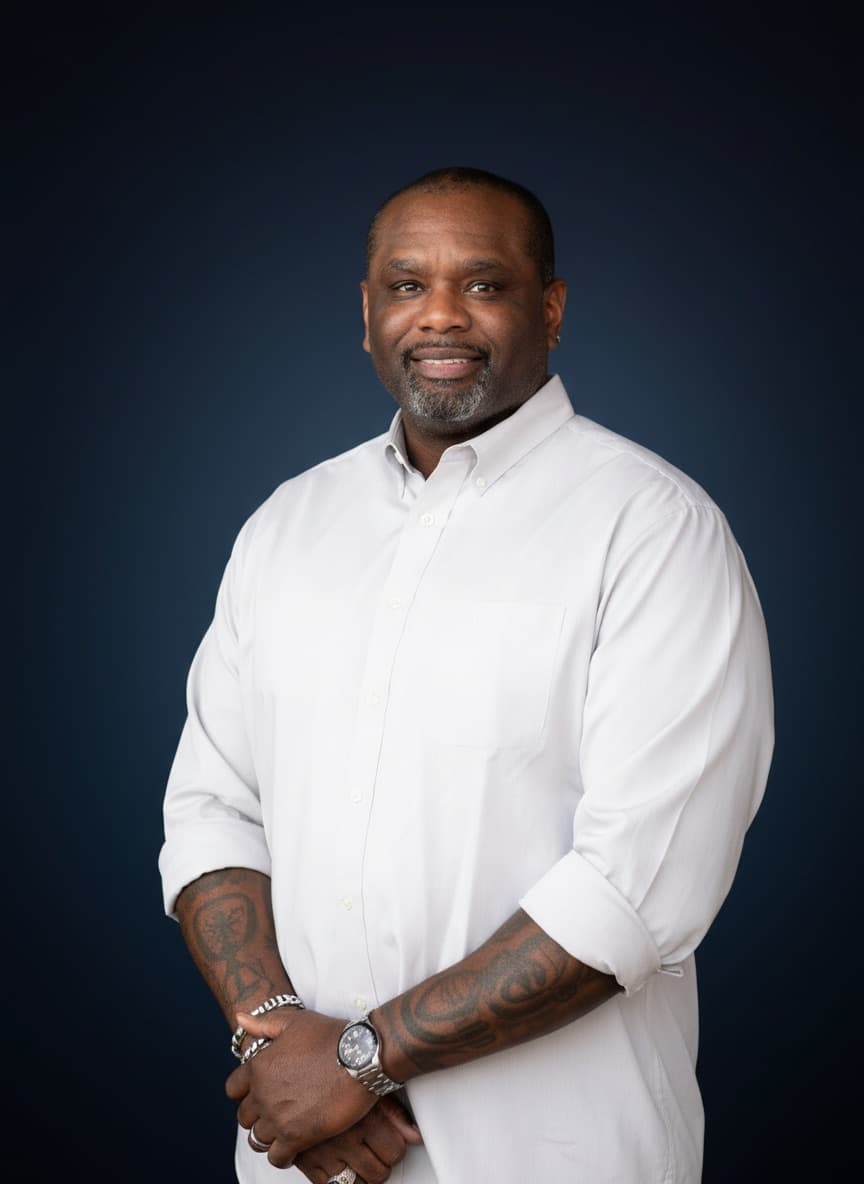
Jerome D. Lee es el abogado fundador de J. Lee & Associates Law Group, representando clientes en lesiones personales, inmigración, defensa criminal y derecho familiar en todo Metro Atlanta.
Ver biografía completa →Artículos Relacionados
¿Preguntas de Inmigración? Hablamos Su Idioma
Desde tarjetas verdes hasta defensa contra deportación, nuestro equipo bilingüe está aquí. Agende una consulta hoy.
Reciba Actualizaciones Legales Gratuitas
Artículos semanales sobre sus derechos en Georgia. Sin spam.
Al suscribirse acepta recibir información legal. Puede cancelar en cualquier momento.