

Consular Processing for Immigrant Visas: A Step-by-Step Guide From NVC to Your Interview
For millions of people living outside the United States, consular processing is the primary path to obtaining a lawful permanent resident visa, commonly called a green card. Unlike adjustment of status, which takes place inside the U.S., consular processing happens at a U.S. embassy or consulate abroad. The process involves multiple federal agencies, strict documentation requirements, and timelines that can stretch months or years depending on your visa category.
At J. Lee & Associates Law Group, our bilingual immigration team in Norcross, Georgia helps families and individuals through every stage of consular processing. Whether you are petitioning for a spouse, a parent, or an adult child, understanding the full roadmap before you start will save you time, money, and serious frustration. Call us at (770) 609-9396 to discuss your specific situation with an experienced Georgia immigration attorney.
How Consular Processing Works: The Legal Framework
Consular processing is governed primarily by the Immigration and Nationality Act (INA), codified at 8 U.S.C. § 1101 et seq. The process begins when a U.S. citizen or lawful permanent resident files a petition with U.S. Citizenship and Immigration Services (USCIS) on behalf of a foreign national beneficiary. Once USCIS approves the petition, the case transfers to the National Visa Center (NVC) for pre-processing before the consulate handles the actual visa interview.
The two most common petition forms are:
- Form I-130 (Petition for Alien Relative) for immediate relatives and family preference categories under 8 U.S.C. § 1153
- Form I-140 (Immigrant Petition for Alien Workers) for employment-based categories under 8 U.S.C. § 1153(b)
Visa availability depends on the annual numerical limits set by Congress and tracked through the Department of State's monthly Visa Bulletin. Immediate relatives of U.S. citizens, defined under 8 U.S.C. § 1151(b)(2)(A)(i), are not subject to annual caps and typically move fastest through the process. If you are unsure which family-based immigrant visa category applies to your situation, our attorneys can walk you through the options.
The Role of the National Visa Center
After USCIS approves your petition, the file is sent to the NVC. This agency collects fees, gathers required civil documents, and holds the case until a visa number becomes available. The NVC assigns a case number and a beneficiary ID, both of which you will use to access the Consular Electronic Application Center (CEAC) portal.
The NVC stage can take anywhere from a few weeks to several months, depending on the visa category and whether there is a backlog at the specific consulate. For oversubscribed categories such as F2A (spouses and children of lawful permanent residents) or F4 (siblings of U.S. citizens), the wait can stretch years before the NVC even schedules an interview.
NVC Fees, the DS-260, and Required Documents
One of the most consequential steps during consular processing is completing the online immigrant visa application and submitting supporting documents through the CEAC portal. Getting these right the first time prevents unnecessary delays and requests for additional evidence.
Paying NVC Fees
The NVC collects two fees before your case can proceed:
- Immigrant Visa Application Processing Fee: Currently $325 per person for most immigrant visa categories
- Affidavit of Support Fee: Currently $120 per petitioner
These fees are paid through the CEAC portal and are separate from the USCIS filing fees already paid. Keep your payment confirmation receipts. Fee amounts are set by the Department of State and are subject to change.
Completing the DS-260
The Form DS-260 is the electronic immigrant visa application every beneficiary must complete online. This form asks for detailed biographical information, travel history, employment history, family relationships, and questions about potential grounds of inadmissibility under 8 U.S.C. § 1182.
Accuracy matters. Misrepresentations on the DS-260 can result in a finding of fraud or willful misrepresentation under INA § 212(a)(6)(C), which carries a permanent bar to admission. Our attorneys review every DS-260 with clients before submission to catch potential issues before they reach the interview window. Learn more about how we approach immigrant visa applications for families in Georgia and abroad.
Civil Documents the NVC Requires
In addition to the DS-260, each applicant must upload supporting civil documents. These typically include:
- Valid passport, valid for at least six months beyond the intended entry date
- Birth certificate for the principal applicant and all derivative applicants
- Marriage certificate, if applicable, and divorce decrees from any prior marriages
- Police certificates from every country where the applicant lived for six months or more after age 16
- Military records, if applicable
- Form I-864 Affidavit of Support from the petitioner, demonstrating income at or above 125% of the federal poverty guidelines per INA § 213A
Once the NVC confirms that all fees are paid and all documents are complete and acceptable, the case is considered "documentarily qualified," and the NVC will schedule the visa interview at the appropriate U.S. embassy or consulate.
The Medical Examination: What to Expect
Every immigrant visa applicant must pass a medical examination conducted by a physician designated by the U.S. embassy or consulate, known as a panel physician. This requirement comes from INA § 221(d) and 22 C.F.R. § 42.66. You cannot use your own doctor for this exam.
What the Medical Exam Covers
The medical examination includes a physical examination, a review of vaccination history, blood tests, a chest X-ray for applicants age 15 and older to screen for communicable diseases, and a mental health and substance abuse evaluation. Children and adults must meet CDC vaccination requirements as a condition of visa approval.
Certain medical conditions can create grounds of inadmissibility under 8 U.S.C. § 1182(a)(1), including communicable diseases of public health significance, failure to show proof of required vaccinations, and physical or mental disorders associated with harmful behavior. An experienced immigration attorney can help you assess whether a medical issue could affect your case and whether a waiver under INA § 212(g) might be available. Our team has helped clients in Georgia and throughout the Atlanta metro area address medical inadmissibility concerns before they reach the interview stage.
Timing and Validity of the Medical Exam
The medical exam is typically scheduled close to your visa interview date, as results are generally valid for one year from the date of examination. If there is a delay in your case after the exam is completed, you may need to repeat portions of it. Confirm the scheduling window directly with the panel physician and your consulate.
Preparing for the Consular Interview
The visa interview is the final and most consequential step in consular processing. A consular officer has broad authority under INA § 221 to approve or deny a visa application, and a denial without thorough preparation can be difficult to overcome. Our attorneys help clients prepare so they arrive at the interview window organized and ready.
What Documents to Bring
On interview day, bring original versions of every document uploaded to the NVC, along with the following:
- The appointment letter showing your interview date, time, and location
- Your valid passport
- Two passport-style photographs meeting Department of State specifications
- The sealed medical exam envelope from the panel physician: do not open it
- Original financial support documents, including tax returns, pay stubs, and employer letters
- Evidence of the underlying relationship for family-based cases: photographs, correspondence, and joint financial records
Common Grounds of Denial and How to Address Them
Consular officers can deny a visa application based on any of the inadmissibility grounds listed in 8 U.S.C. § 1182, including criminal history, prior immigration violations, misrepresentation, public charge concerns, and unlawful presence bars. A prior removal order or overstay can trigger three-year, ten-year, or even permanent bars under INA § 212(a)(9). Many of these bars have waivers available, but the waiver process must typically be completed before or concurrent with the consular interview.
If the consular officer issues a refusal under INA § 221(g), this is an administrative processing hold rather than a final denial. The officer may require additional documents or further security checks before a final decision is made. Our team regularly assists clients who receive 221(g) notices and need to respond quickly and completely. If you have received a 221(g) letter or are concerned about a potential bar, call us at (770) 609-9396 right away.
Tips for a Successful Interview
- Answer questions honestly and concisely. Do not volunteer information beyond what is asked.
- Bring organized, clearly labeled document packets. Consular officers appreciate applicants who arrive prepared.
- Know the basic details of your petition: your petitioner's name, address, relationship, and when the petition was filed.
- If you do not understand a question due to language differences, ask for clarification rather than guessing at an answer.
- Many consulates have officers who conduct interviews in languages other than English. Our bilingual team can help you prepare fully in Spanish.
After the Interview: Visa Issuance and Entry Into the United States
If the consular officer approves your visa, your passport will be returned with the immigrant visa stamp inside. You will also receive a sealed immigrant visa packet to carry with you and present to U.S. Customs and Border Protection upon arrival. Do not open this packet under any circumstances.
When you arrive at a U.S. port of entry, a CBP officer will inspect your documents, take your biometrics, and formally admit you as a lawful permanent resident. Your physical green card will be mailed to your U.S. address within a few weeks after admission. Maintain careful records of your admission date, as it establishes the start of your permanent residency for purposes of naturalization eligibility under 8 U.S.C. § 1427.
For families in the Atlanta metro area receiving a relative from abroad, our Norcross office is well-positioned to assist with post-admission matters, including green card replacement, removal of conditions on residence under INA § 216, and future naturalization applications.
Frequently Asked Questions About Consular Processing
How long does consular processing take from NVC to visa issuance?
Timelines depend on the visa category, the specific consulate, and current backlogs. Immediate relatives of U.S. citizens often complete the NVC stage in two to six months and receive interview appointments relatively quickly. Family preference categories can take years due to annual numerical limits. Our attorneys review your specific category and consulate during a consultation so you have a realistic picture from the start.
Can I do consular processing if I am already inside the United States?
Generally, consular processing requires the beneficiary to attend the interview at a U.S. embassy or consulate abroad. If you are already in the U.S. and eligible, adjustment of status may be the better option. Our attorneys can help you determine which path fits your circumstances.
What happens if my visa application is denied?
A refusal under INA § 221(g) is an administrative hold, not a final denial. A refusal based on inadmissibility grounds is more serious and may require a waiver or additional evidence. In either case, contact our office at (770) 609-9396 promptly. The steps you take after a denial can significantly affect your options going forward.
Related Practice Areas
- Immigration Law
- Family-Based Immigration
- Adjustment of Status
- Naturalization
- Removal of Conditions on Residence
Consular processing involves multiple agencies, strict deadlines, and legal grounds for denial that can carry permanent consequences. Having an experienced immigration attorney review your case before you submit a single document can make all the difference. At J. Lee & Associates Law Group, our bilingual team serves clients throughout Georgia and their family members abroad in both English and Spanish. We understand the stress that comes with separation and uncertainty, and we work to move your case forward with accuracy and care.
Call (770) 609-9396 today to schedule a consultation with our immigration attorneys at J. Lee & Associates Law Group. We serve clients from our office at 1250 Tech Dr, Suite 240, Norcross, GA 30093, and we are ready to help your family take the next step.
Confidential Consultation
Contact J. Lee & Associates Law Group at (770) 609-9396 for a confidential consultation. Se habla español.
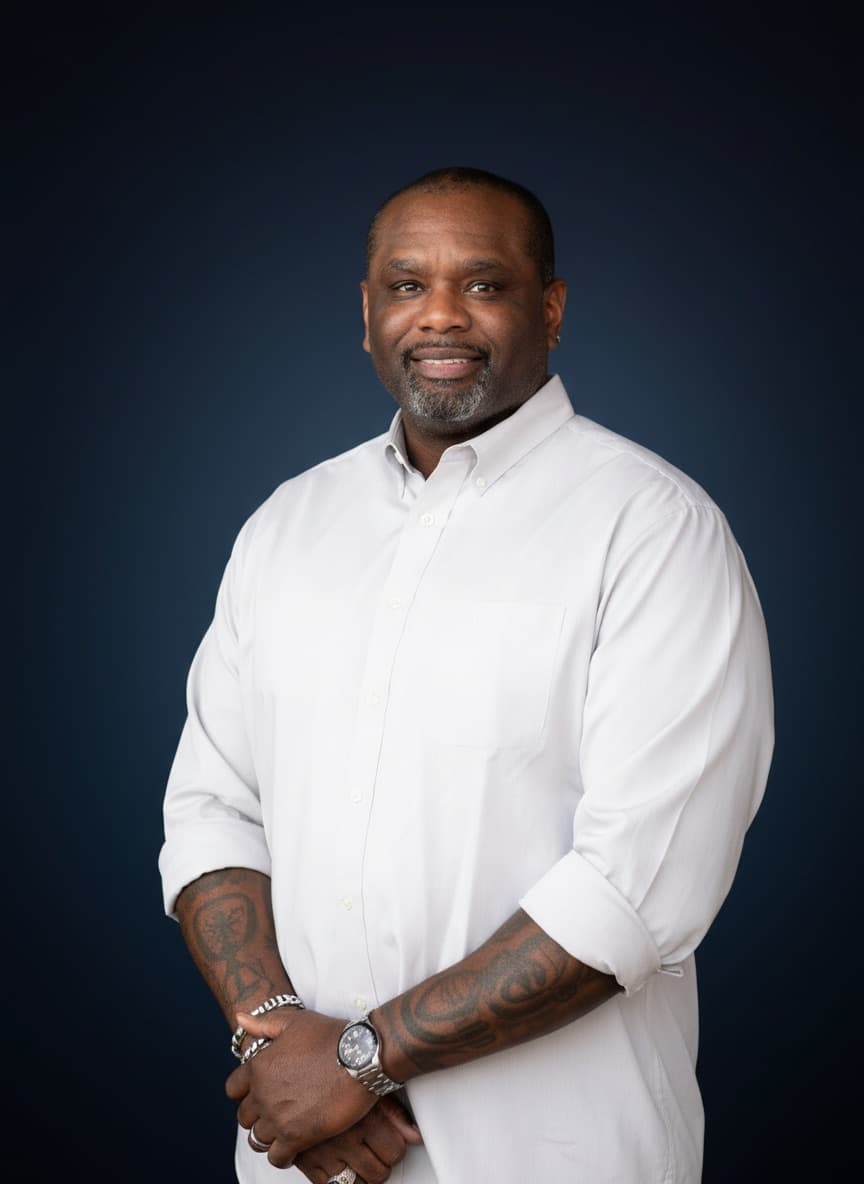
Jerome D. Lee es el abogado fundador de J. Lee & Associates Law Group, representando clientes en lesiones personales, inmigración, defensa criminal y derecho familiar en todo Metro Atlanta.
Ver biografía completa →Artículos Relacionados
¿Preguntas de Inmigración? Hablamos Su Idioma
Desde tarjetas verdes hasta defensa contra deportación, nuestro equipo bilingüe está aquí. Agende una consulta hoy.
Reciba Actualizaciones Legales Gratuitas
Artículos semanales sobre sus derechos en Georgia. Sin spam.
Al suscribirse acepta recibir información legal. Puede cancelar en cualquier momento.